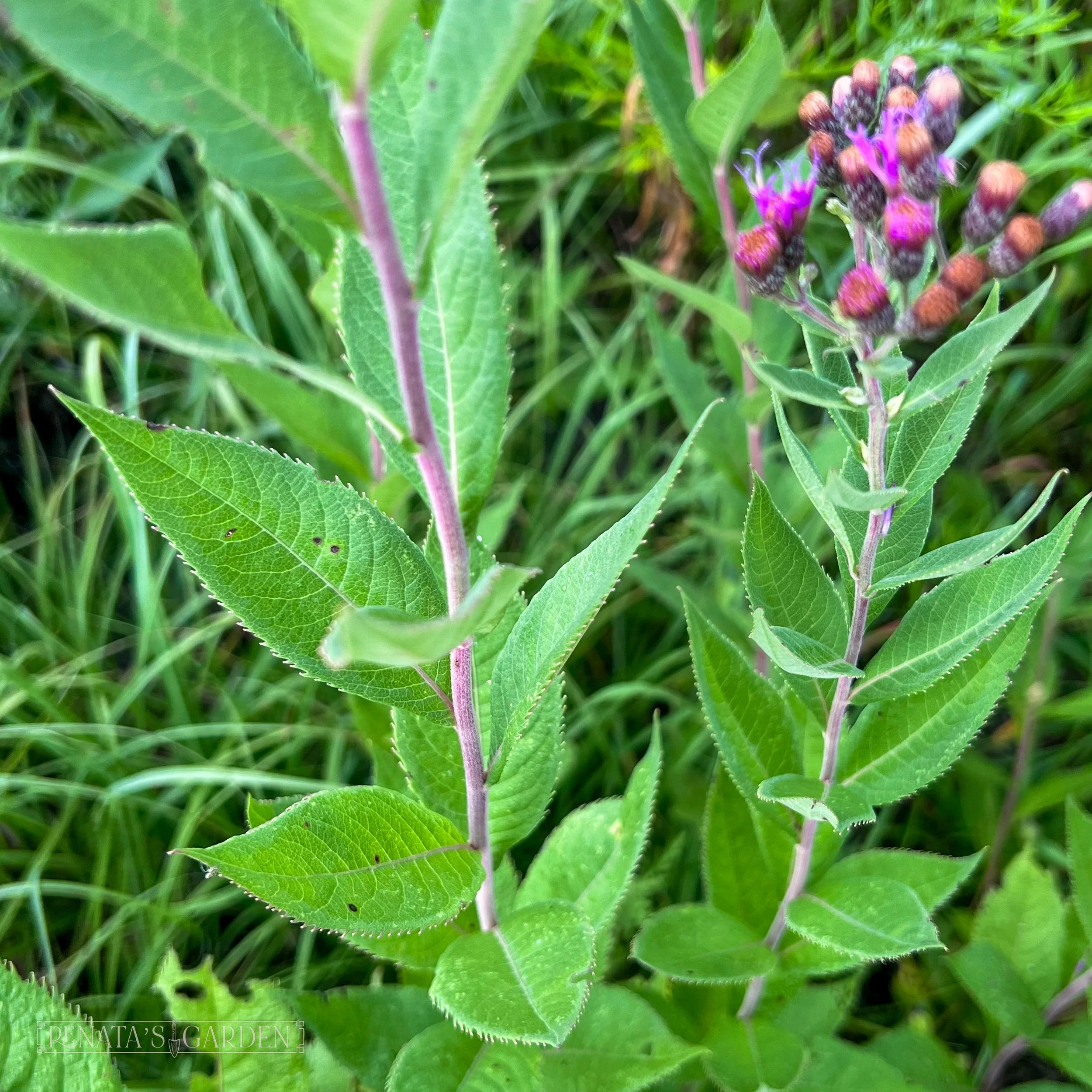
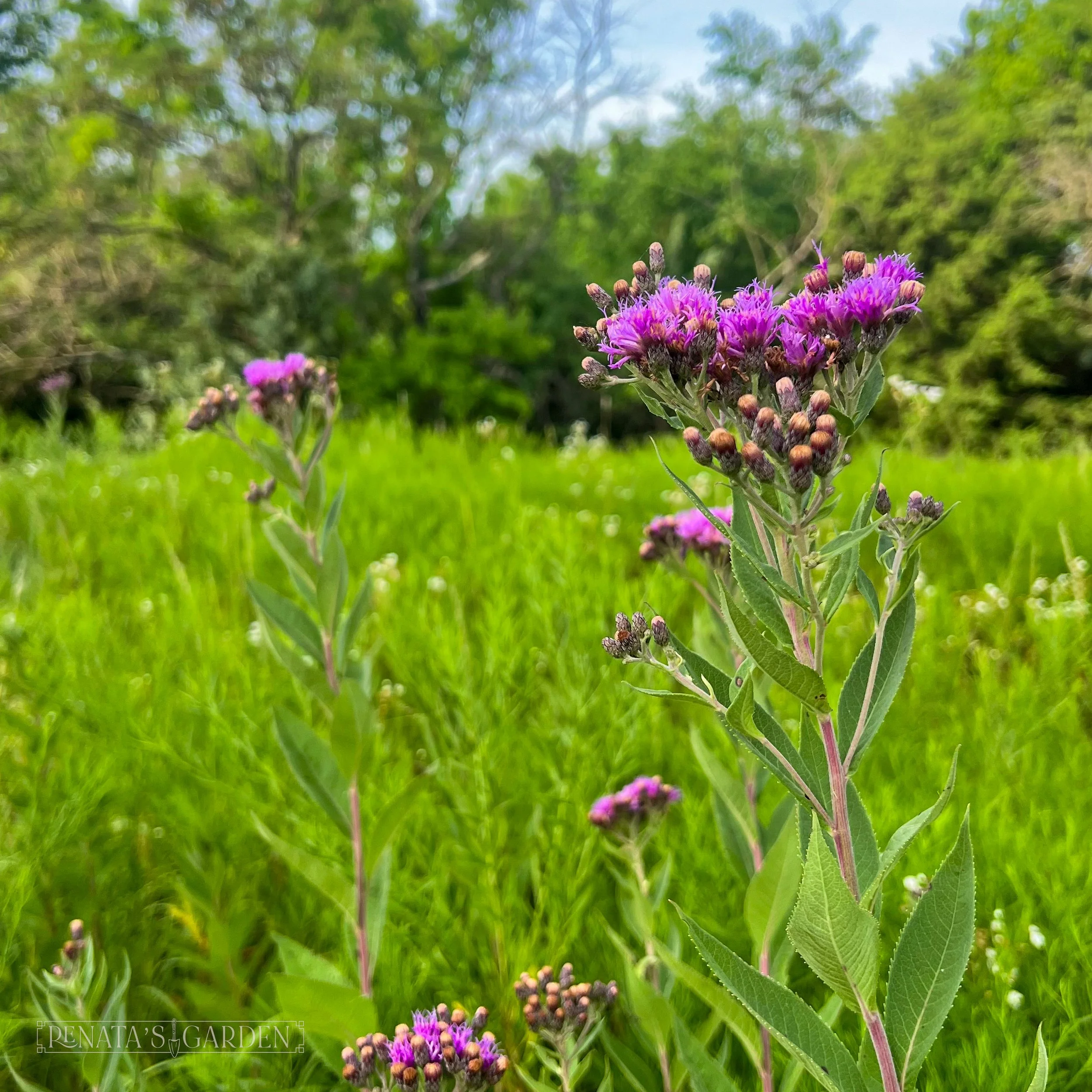
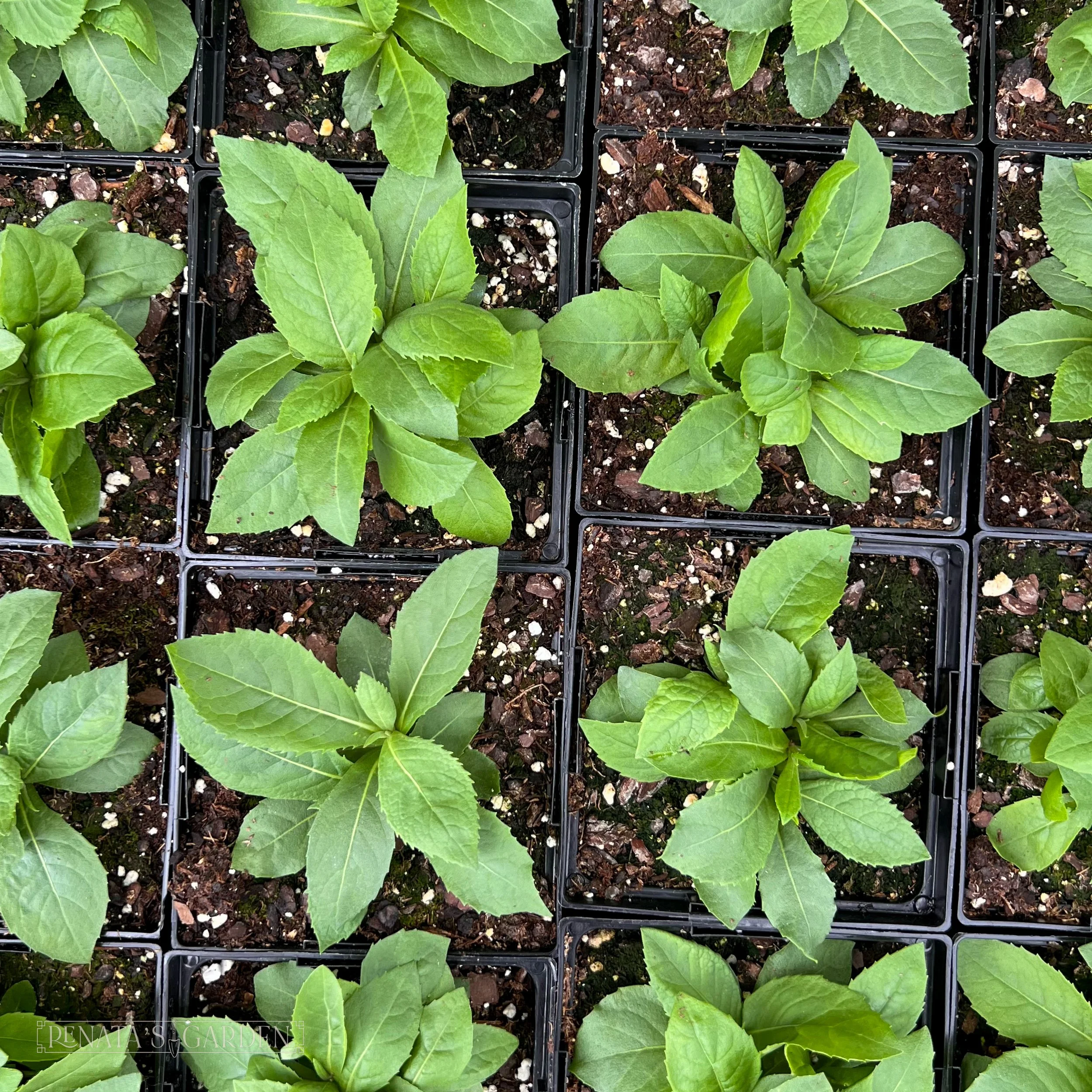
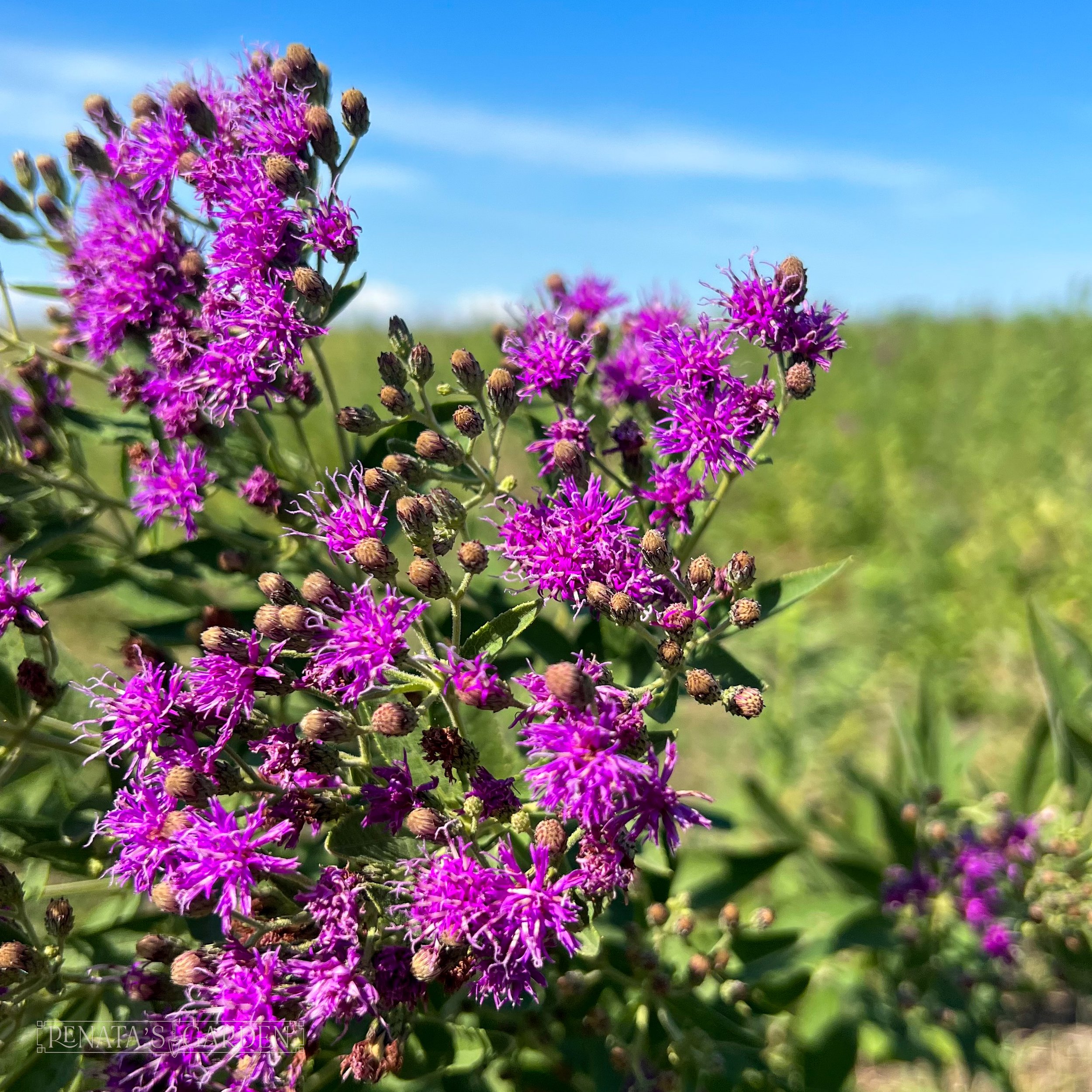
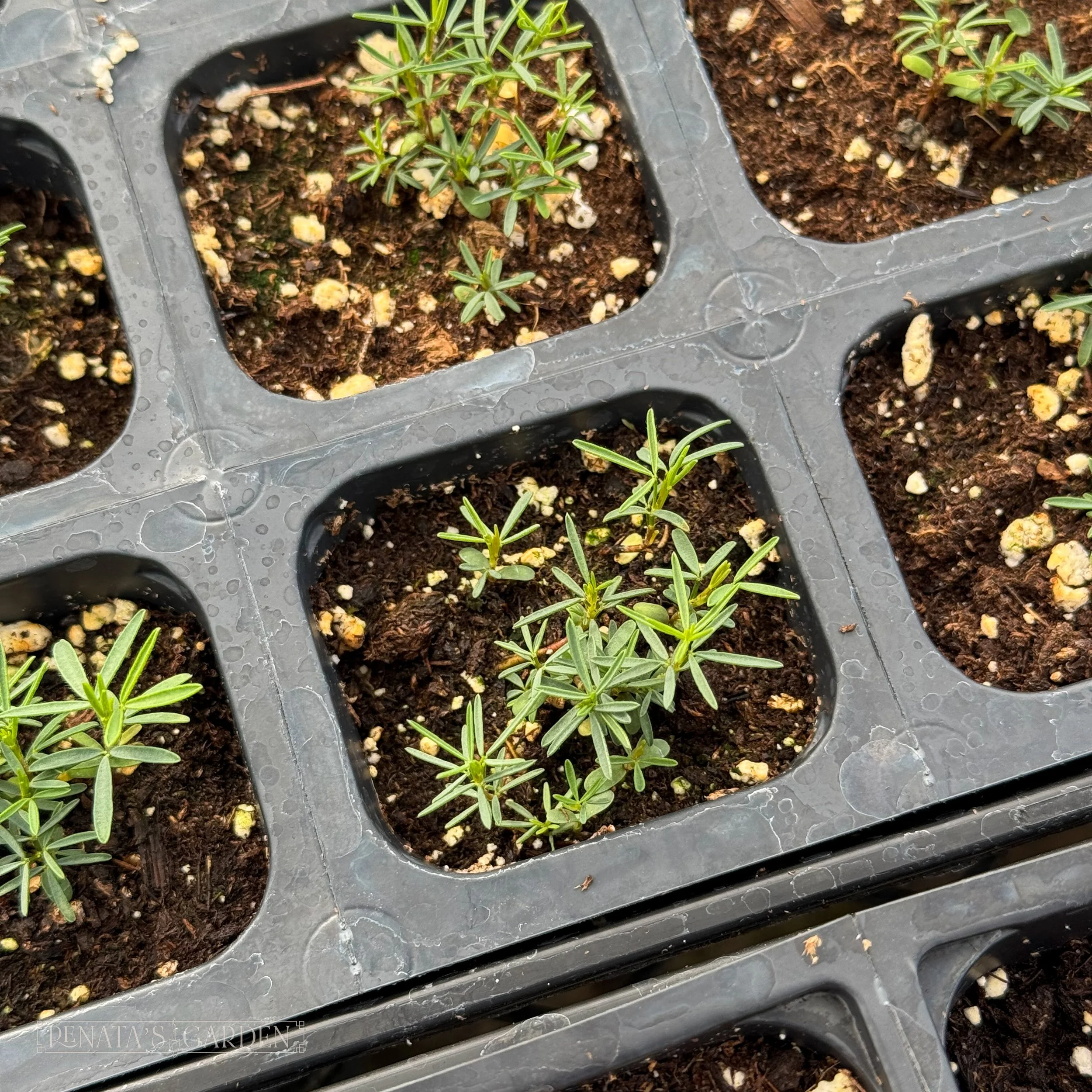
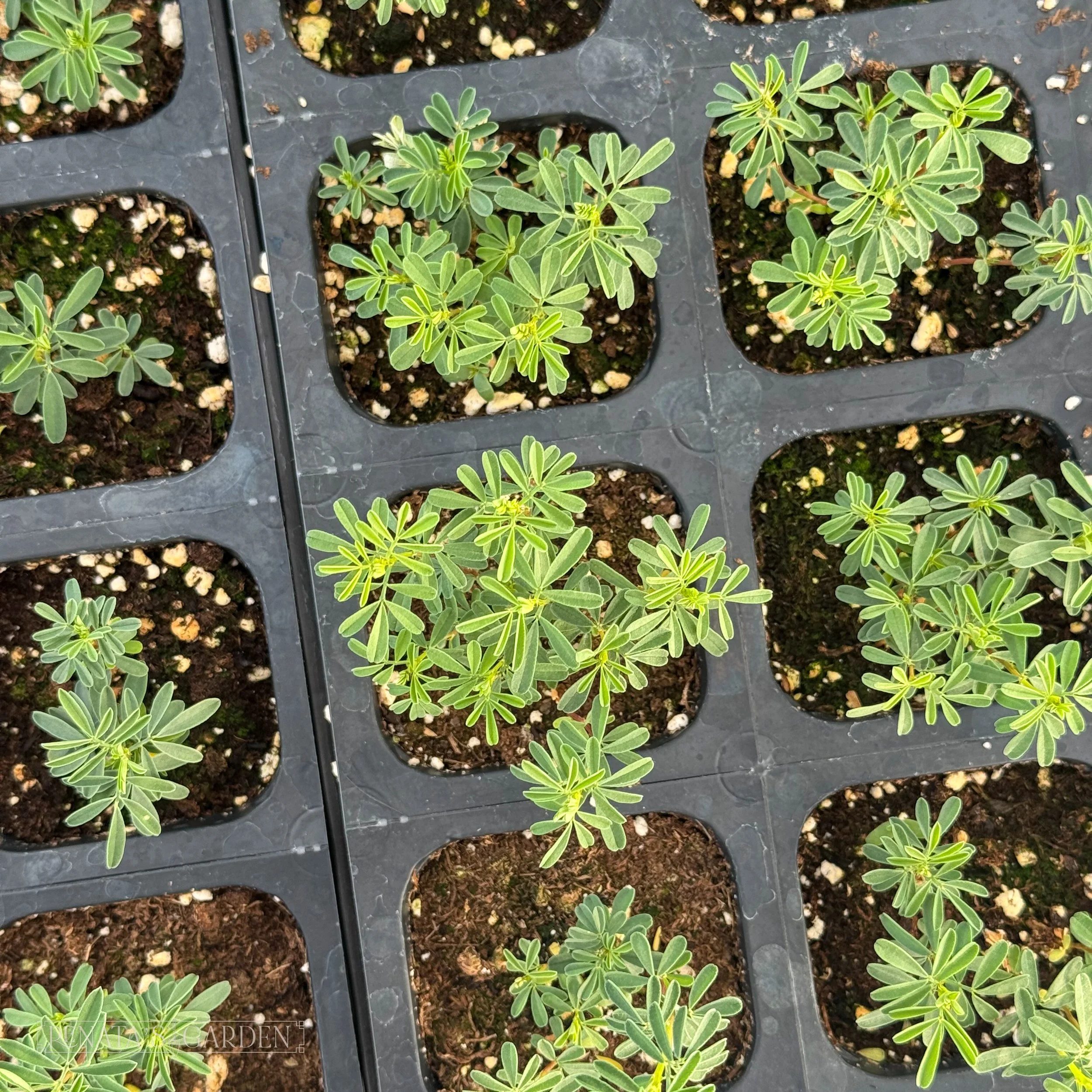
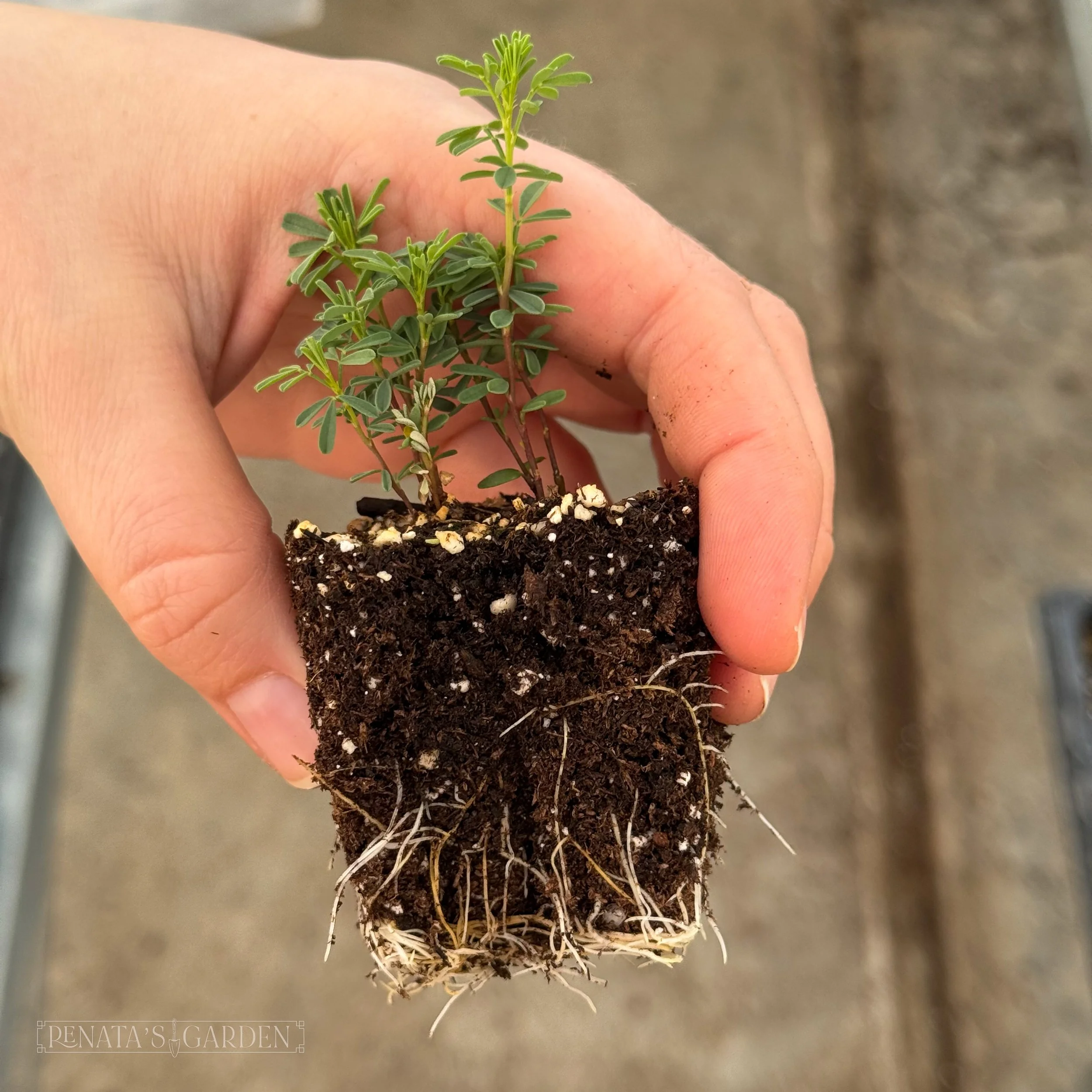
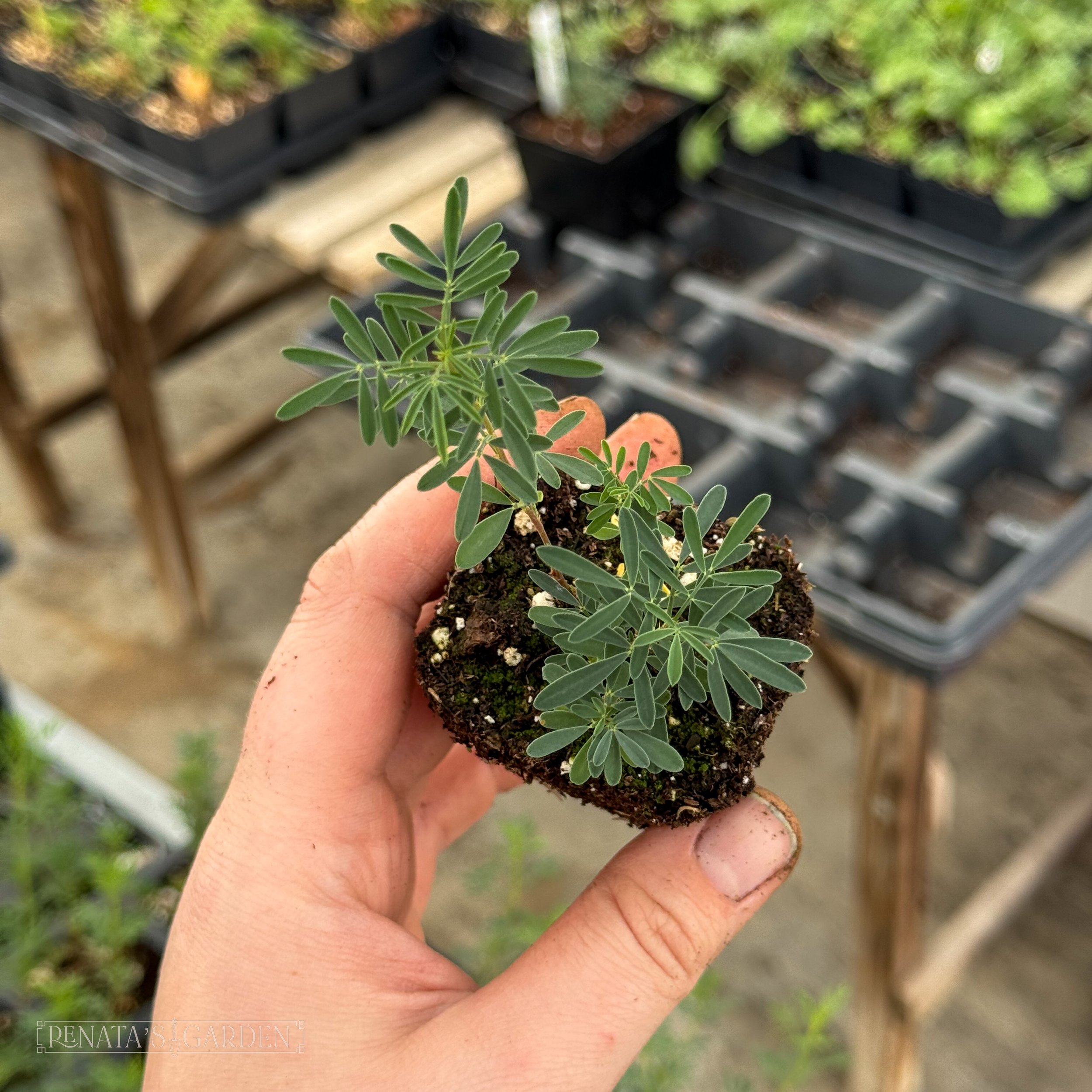
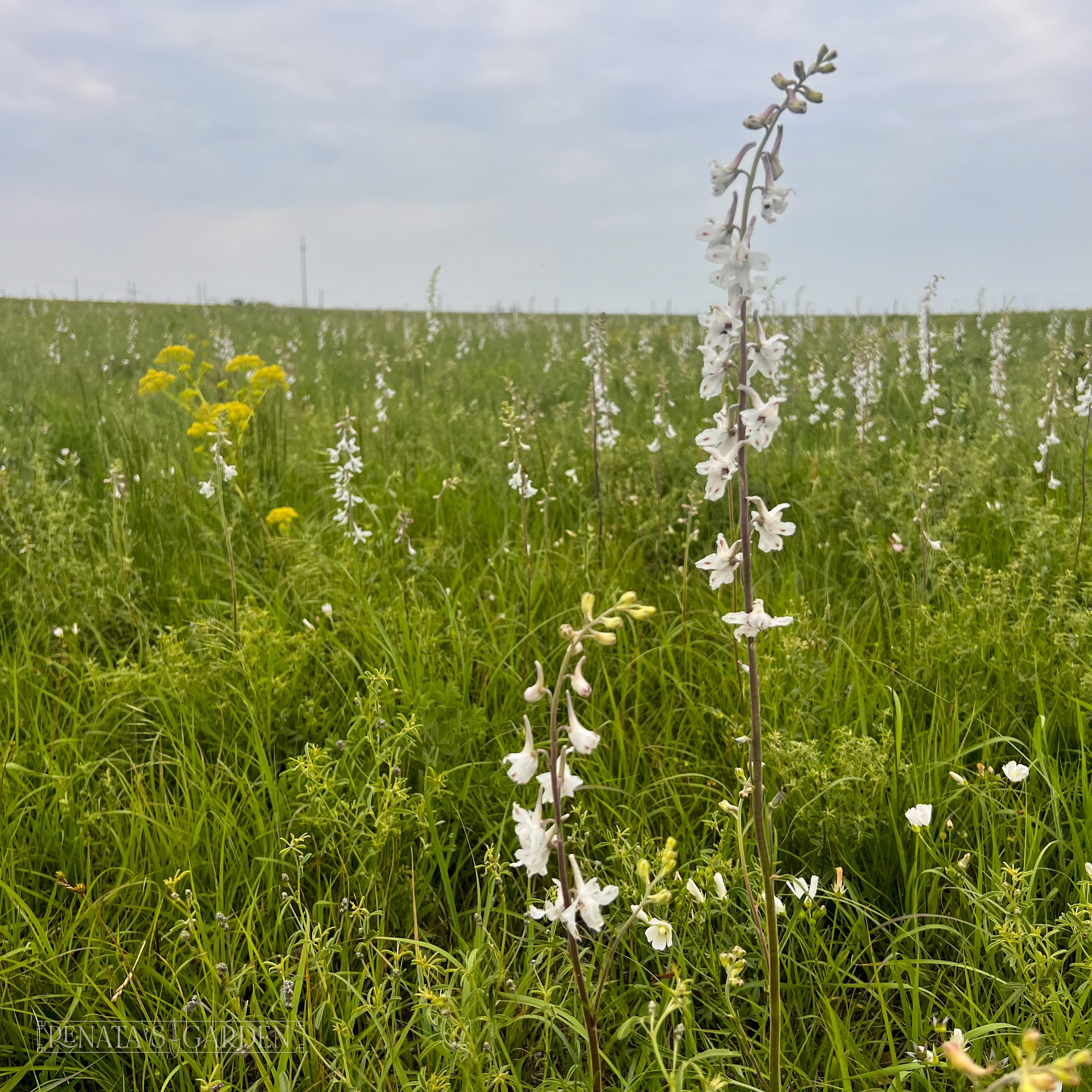
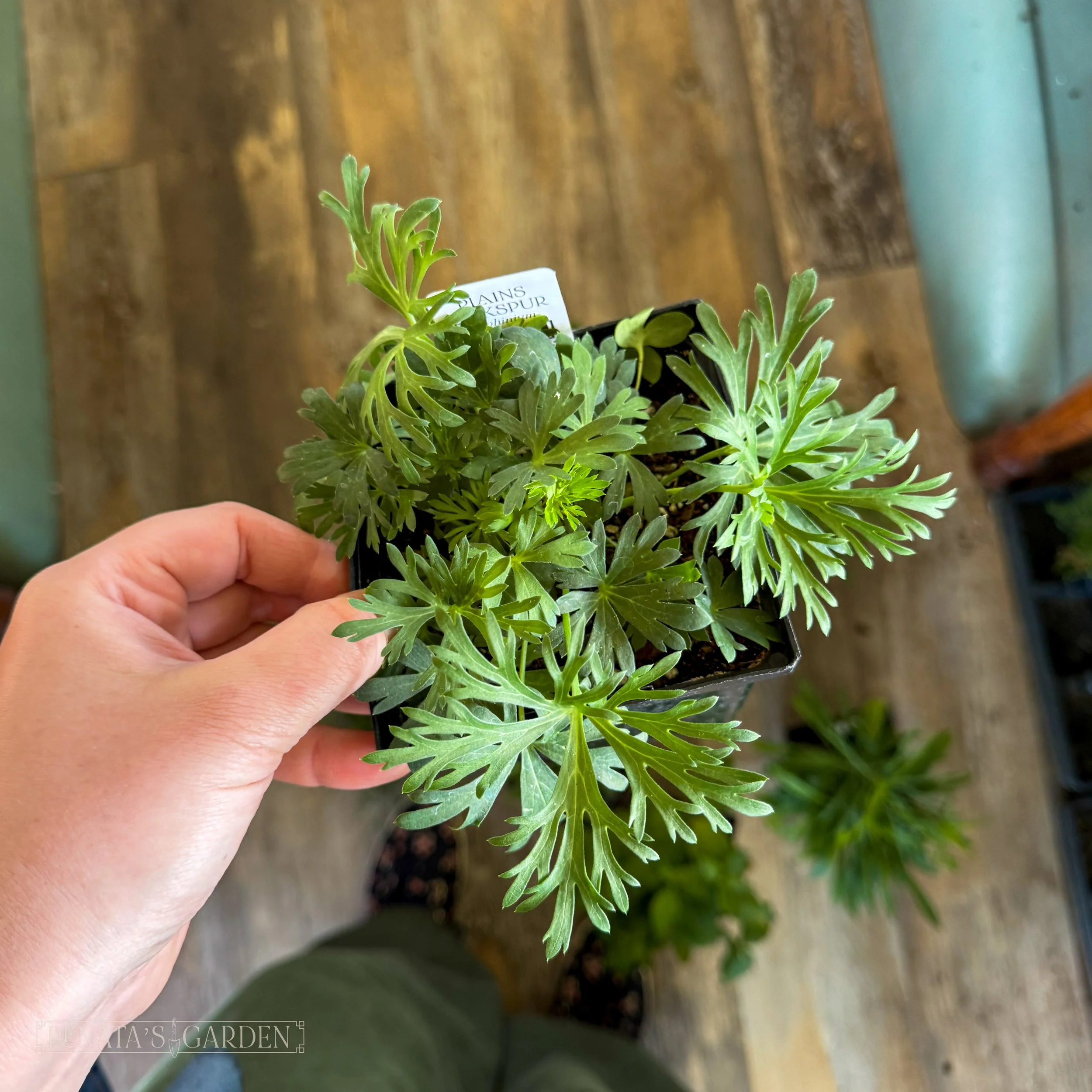
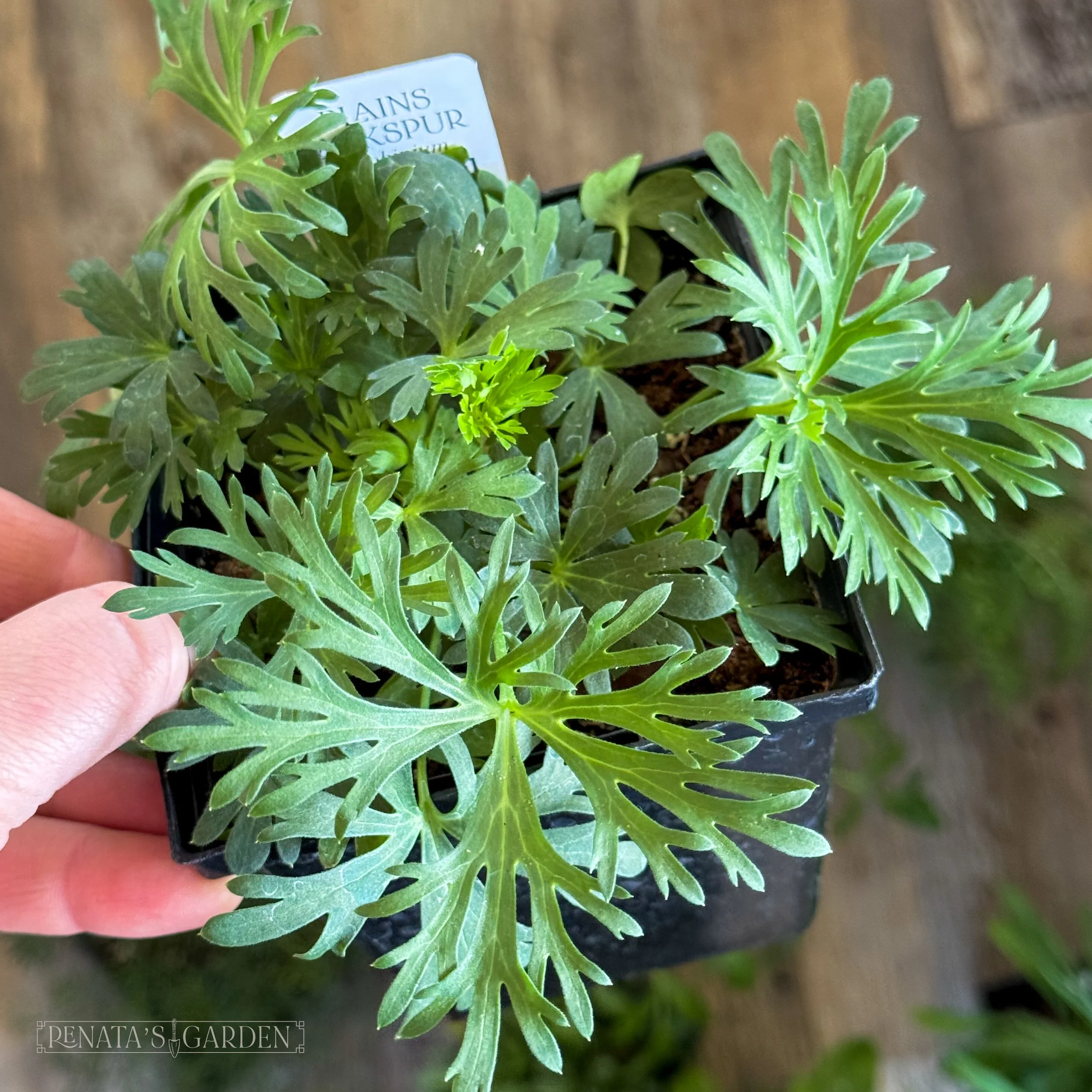
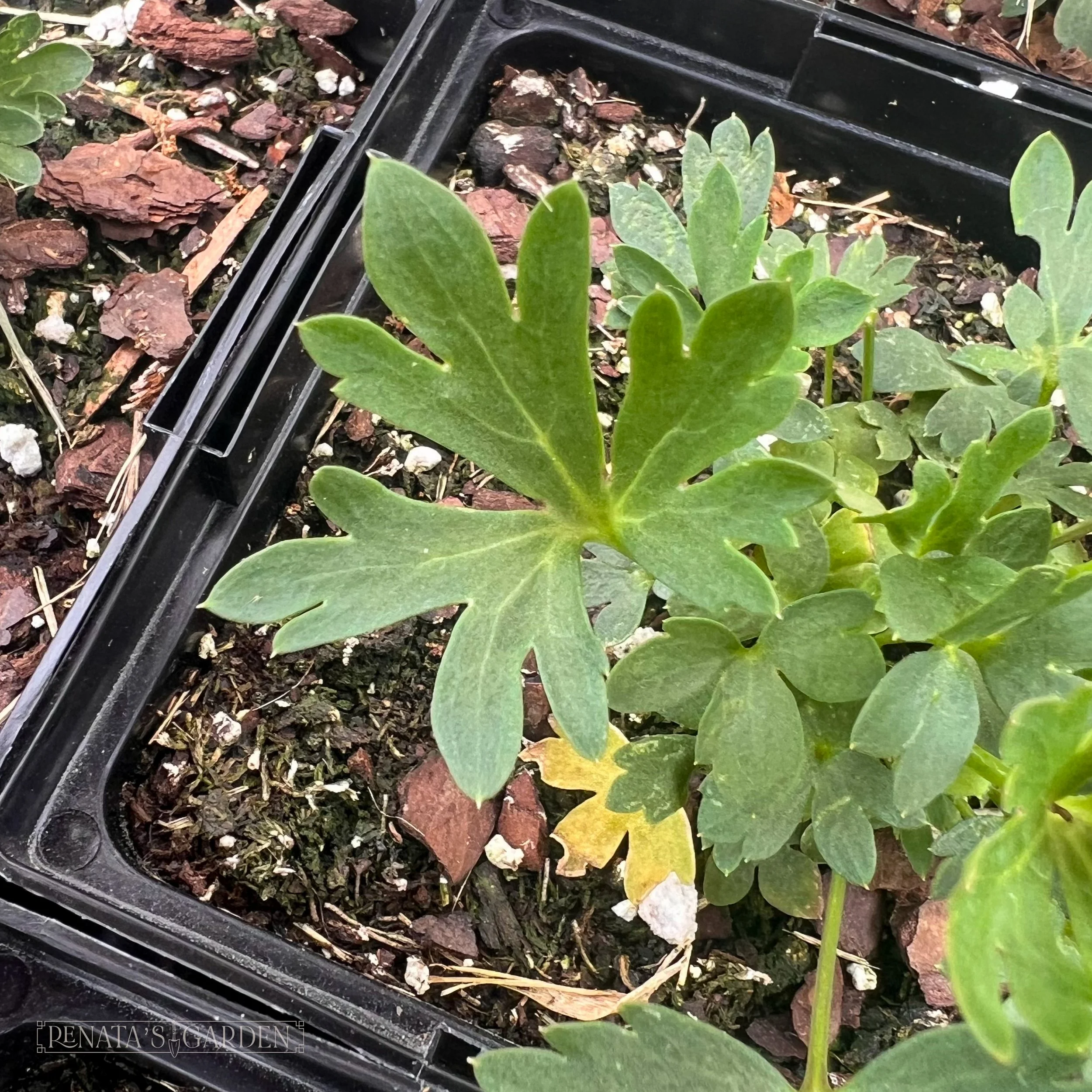
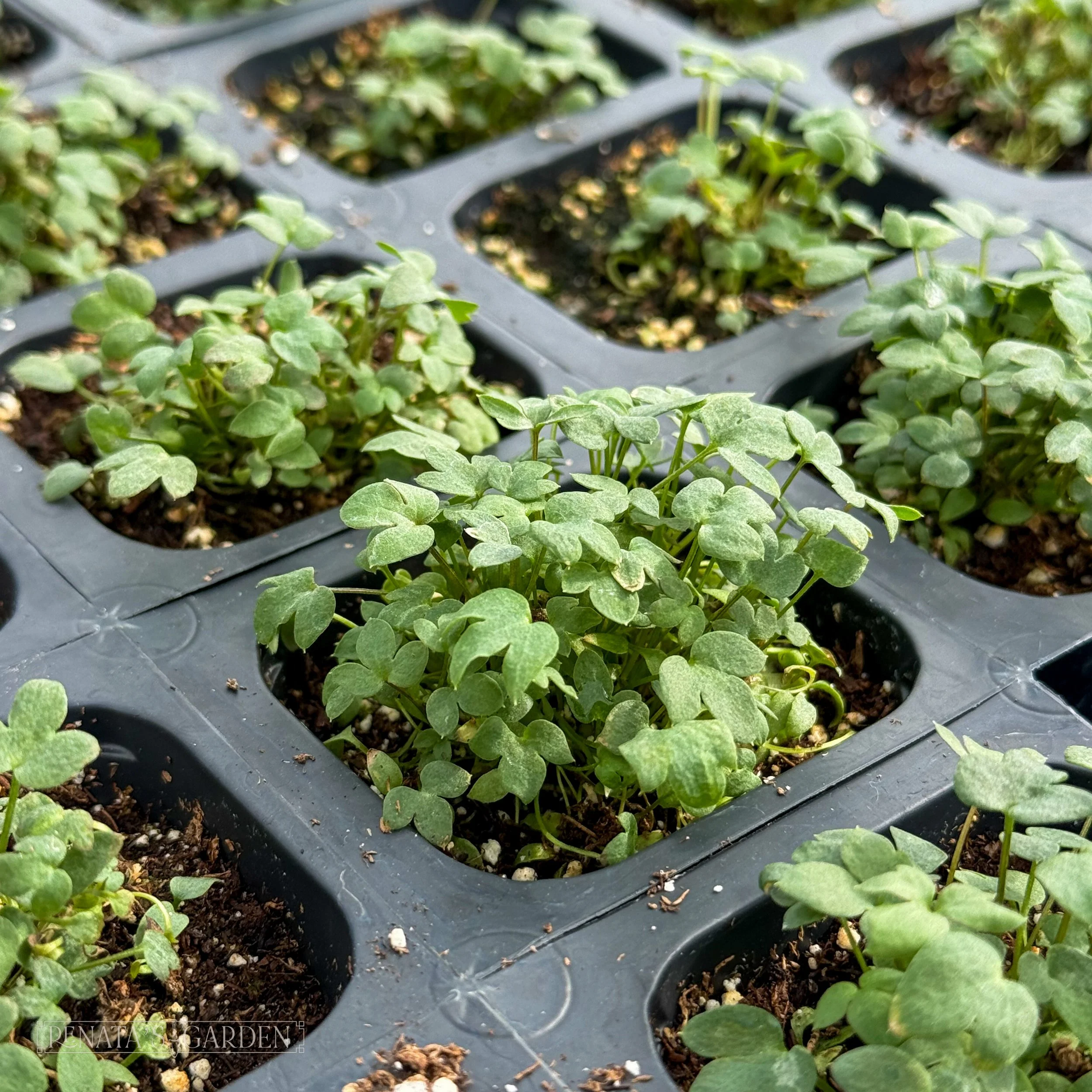
 Image 1 of 8
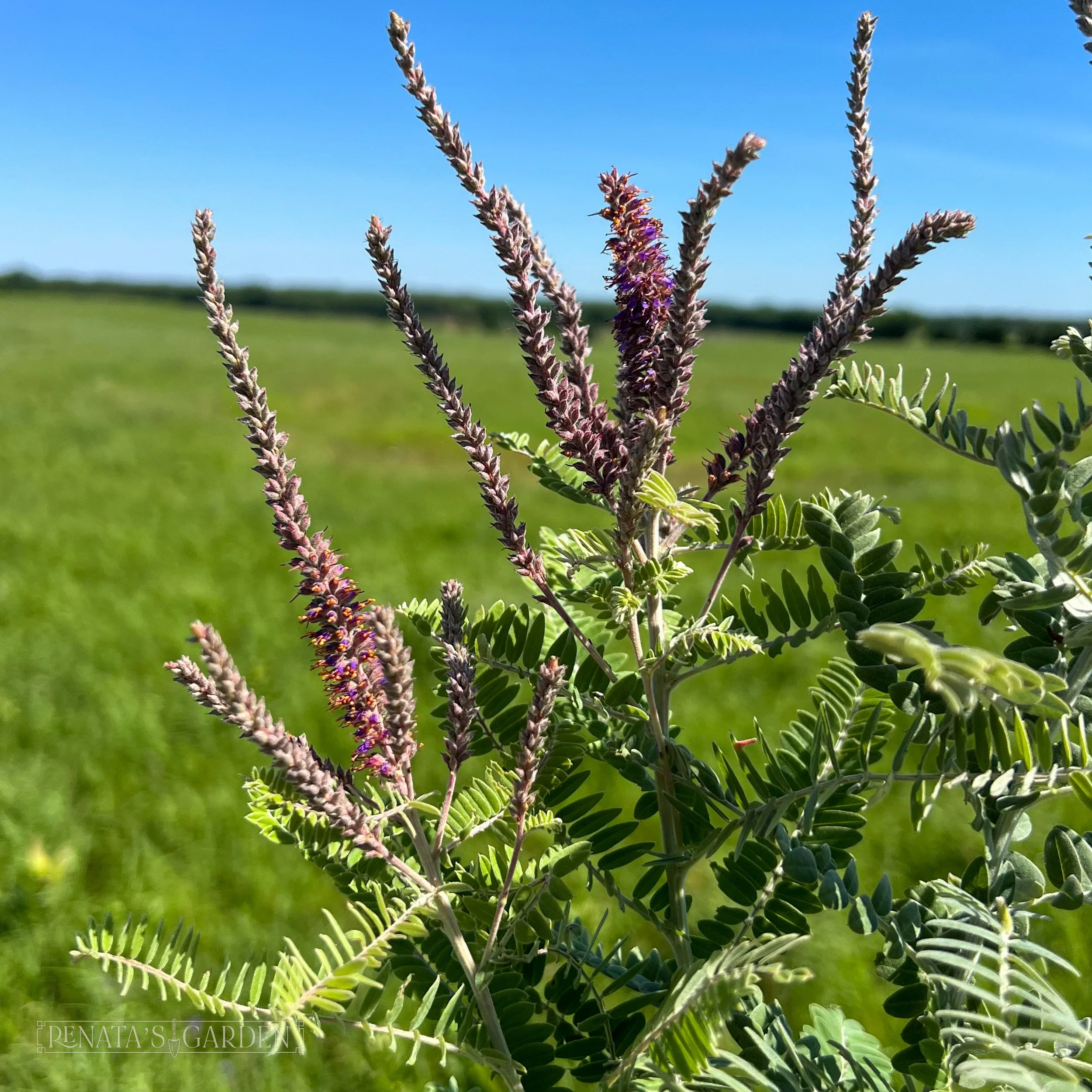
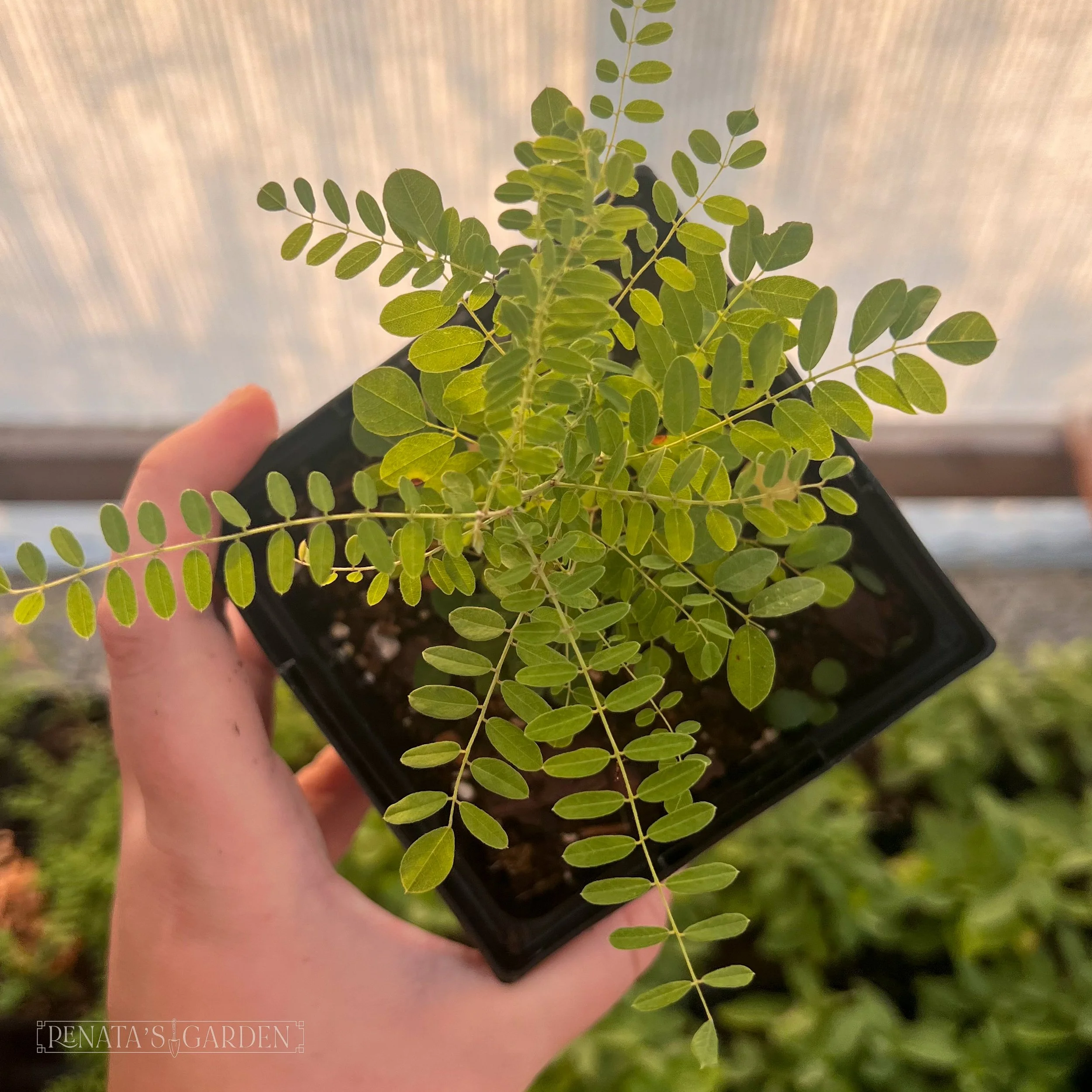 Image 2 of 8
 Image 3 of 8
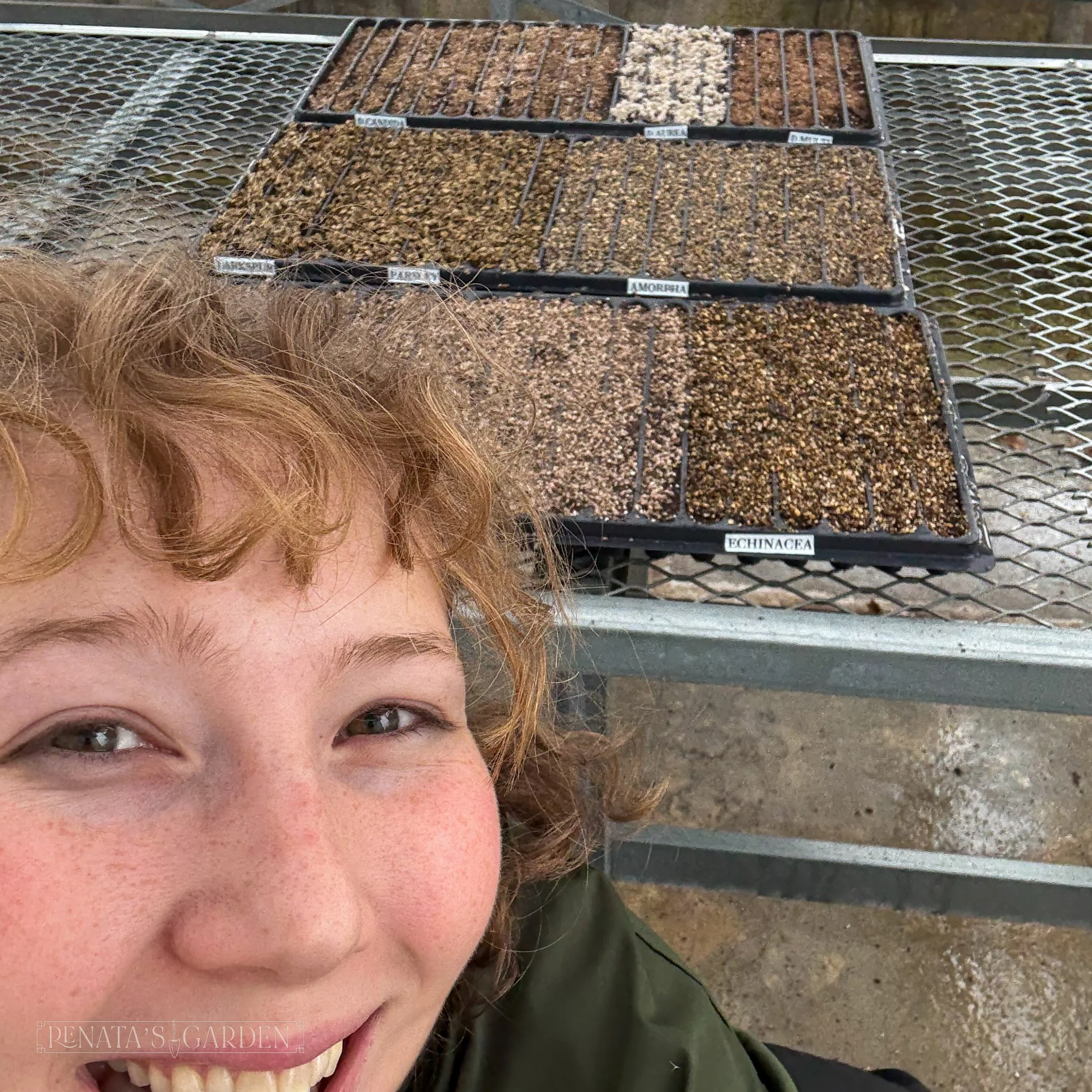 Image 4 of 8
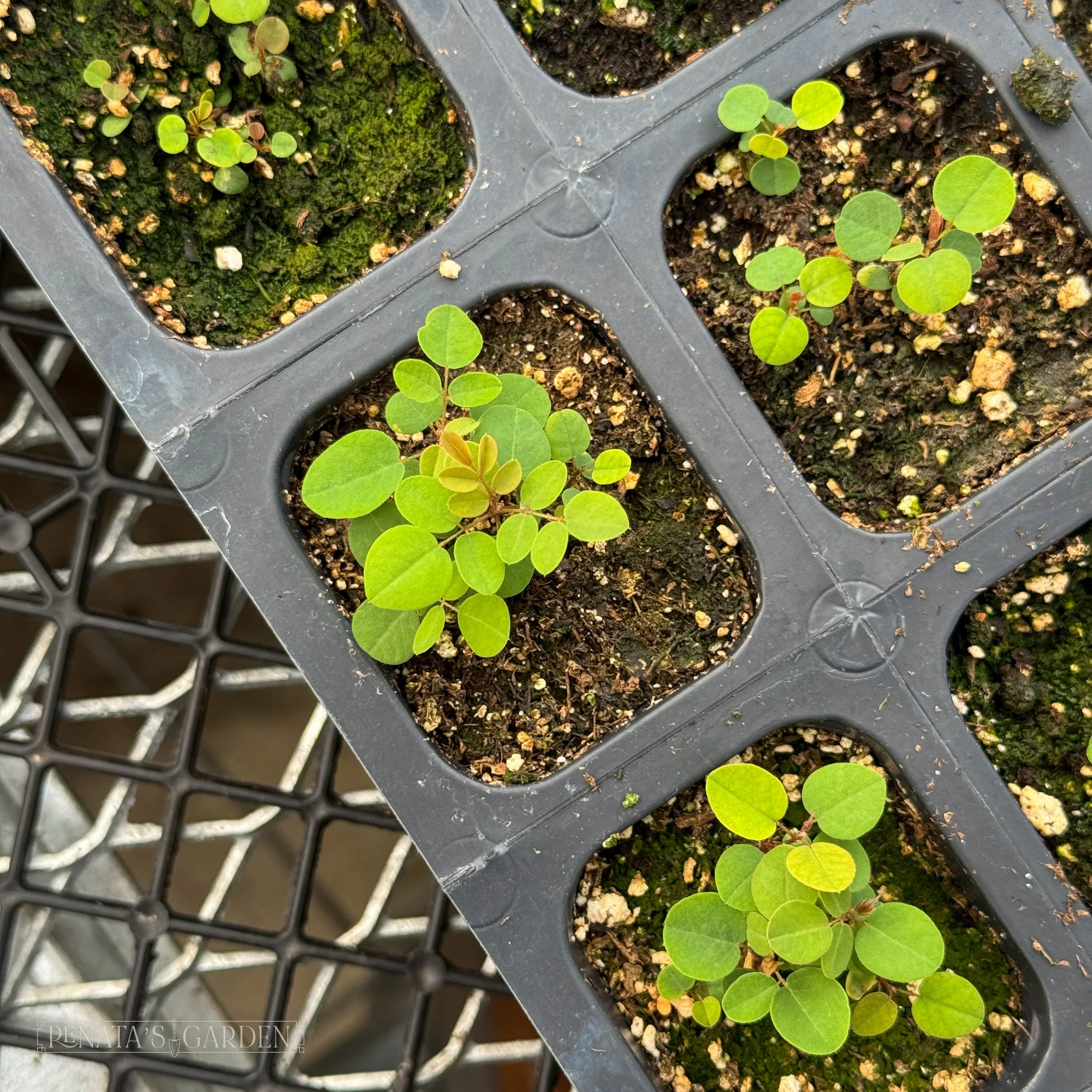 Image 5 of 8
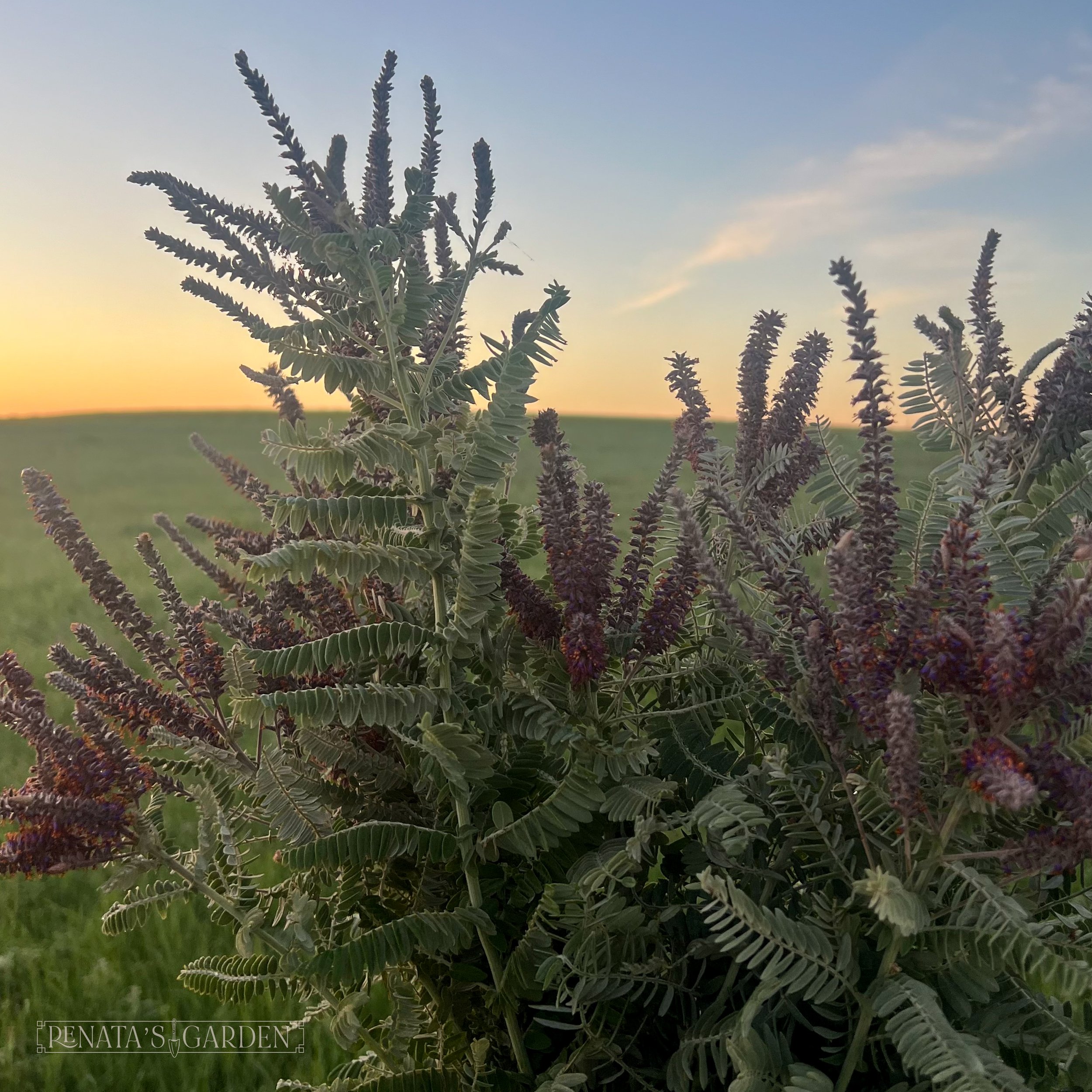 Image 6 of 8
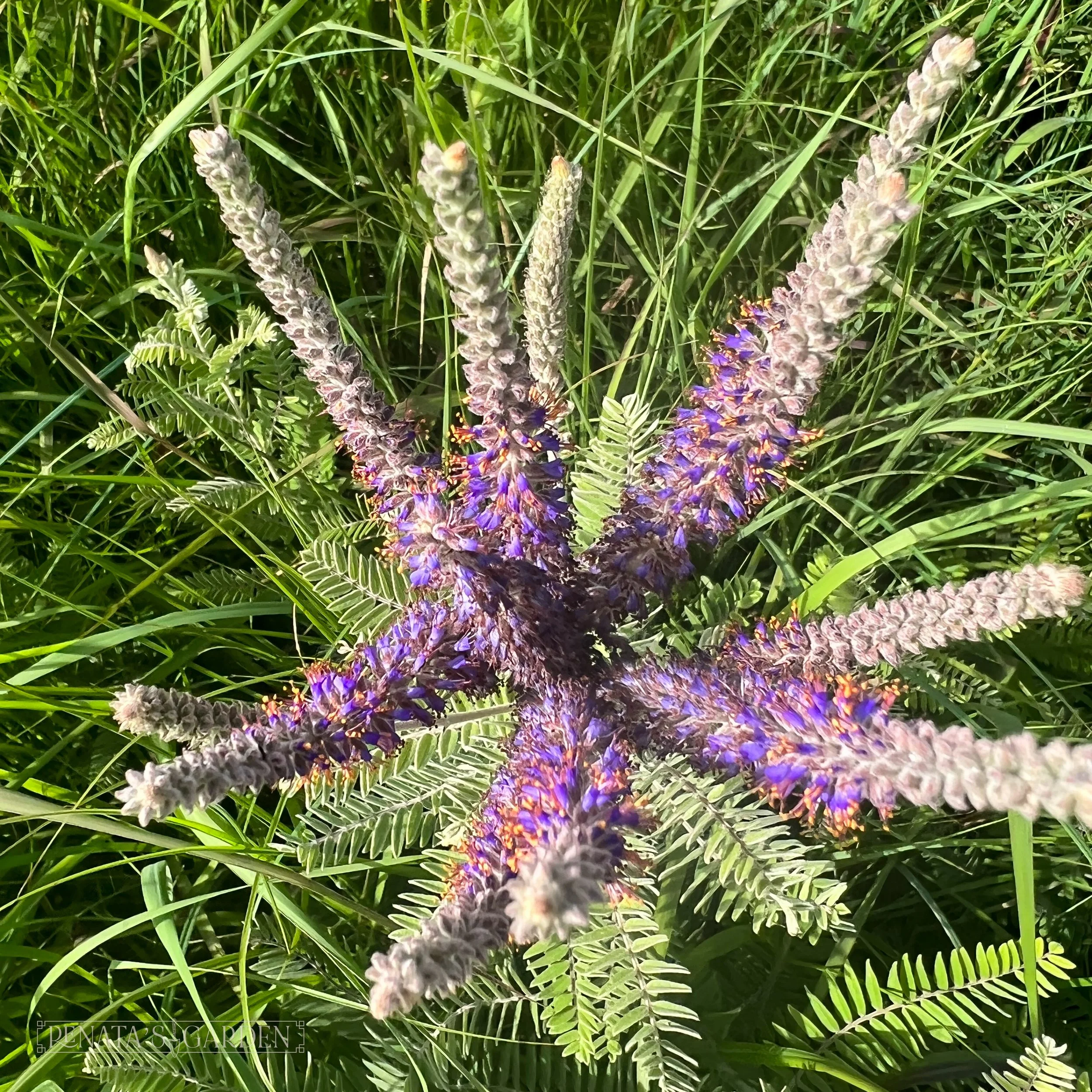 Image 7 of 8
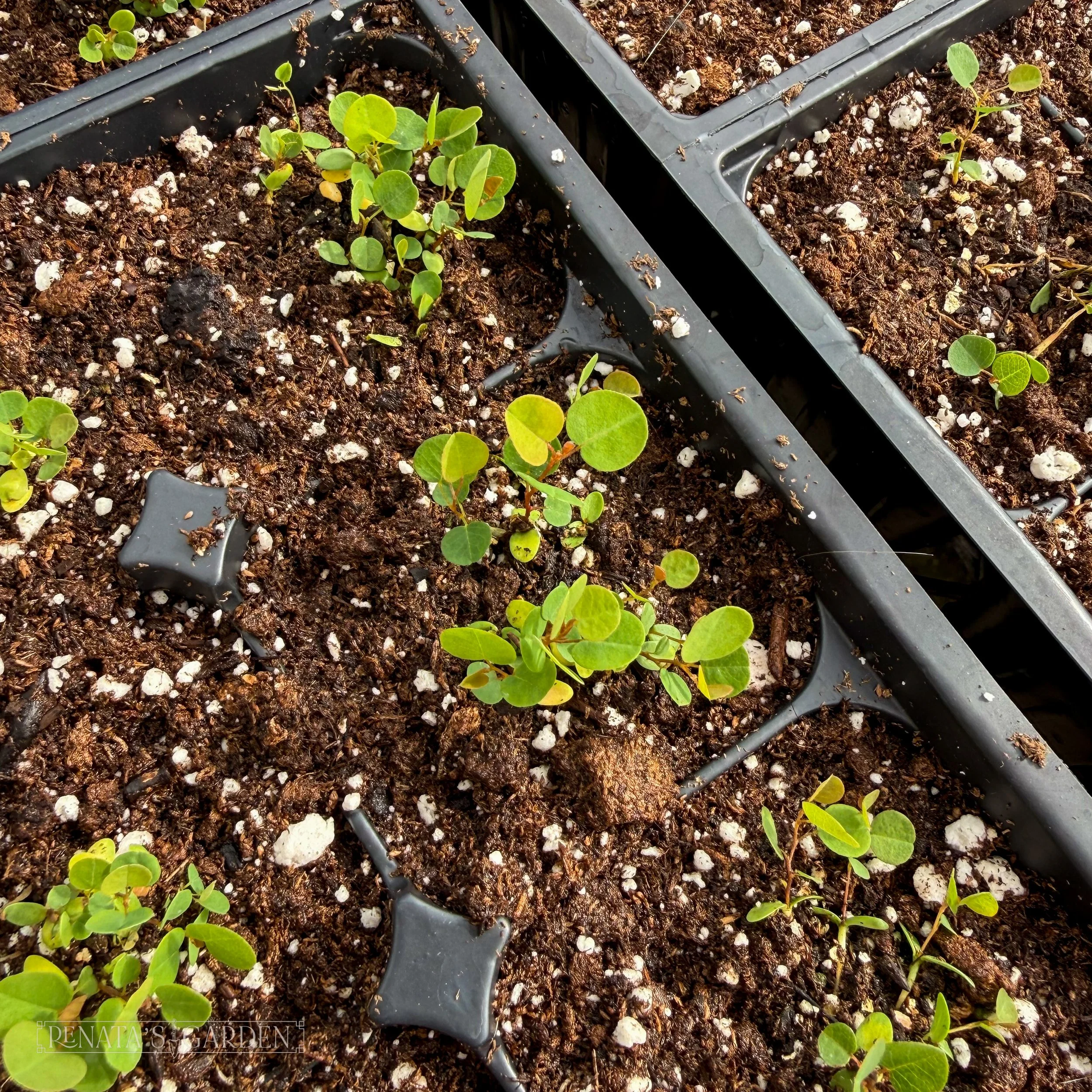 Image 8 of 8
A Note from the Grower
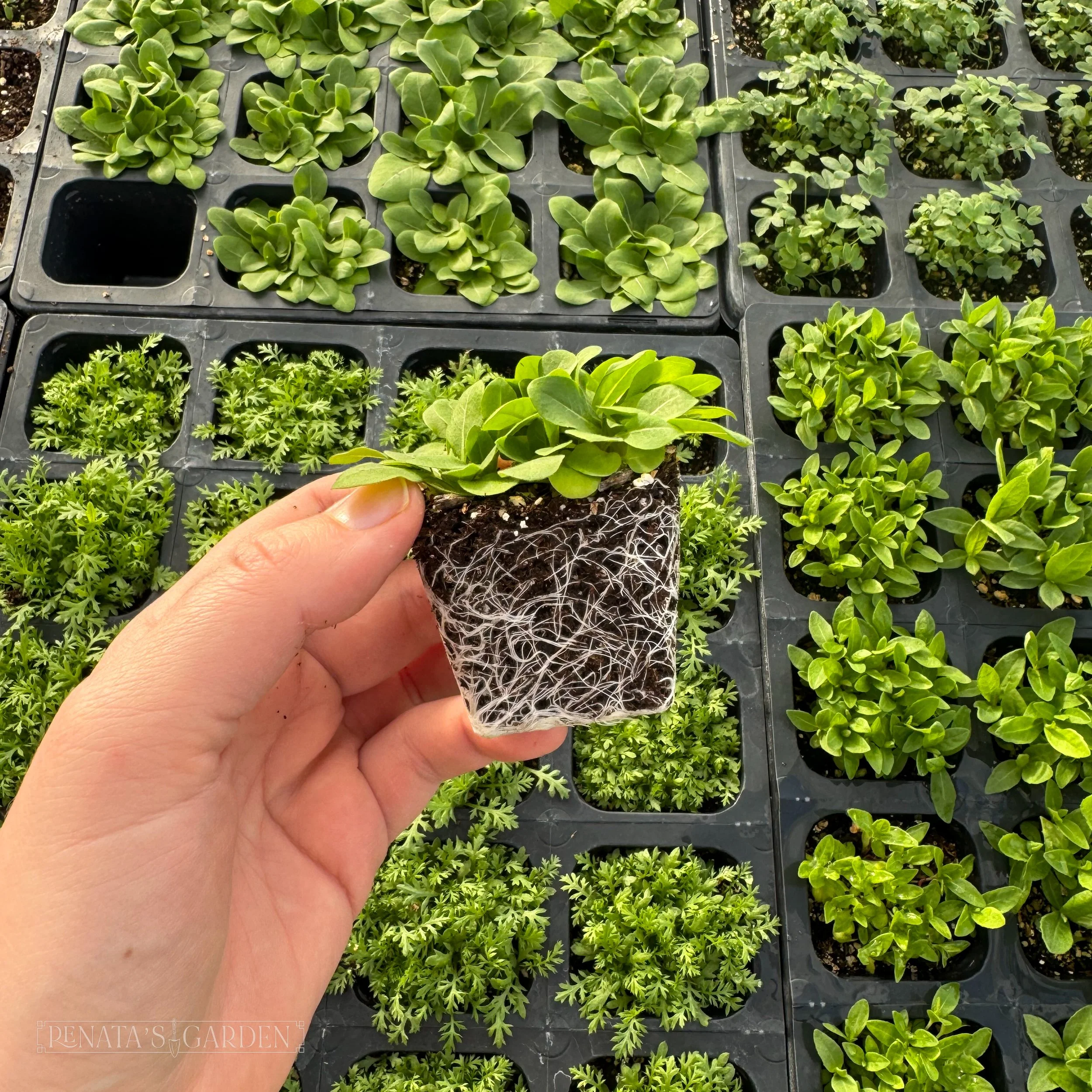
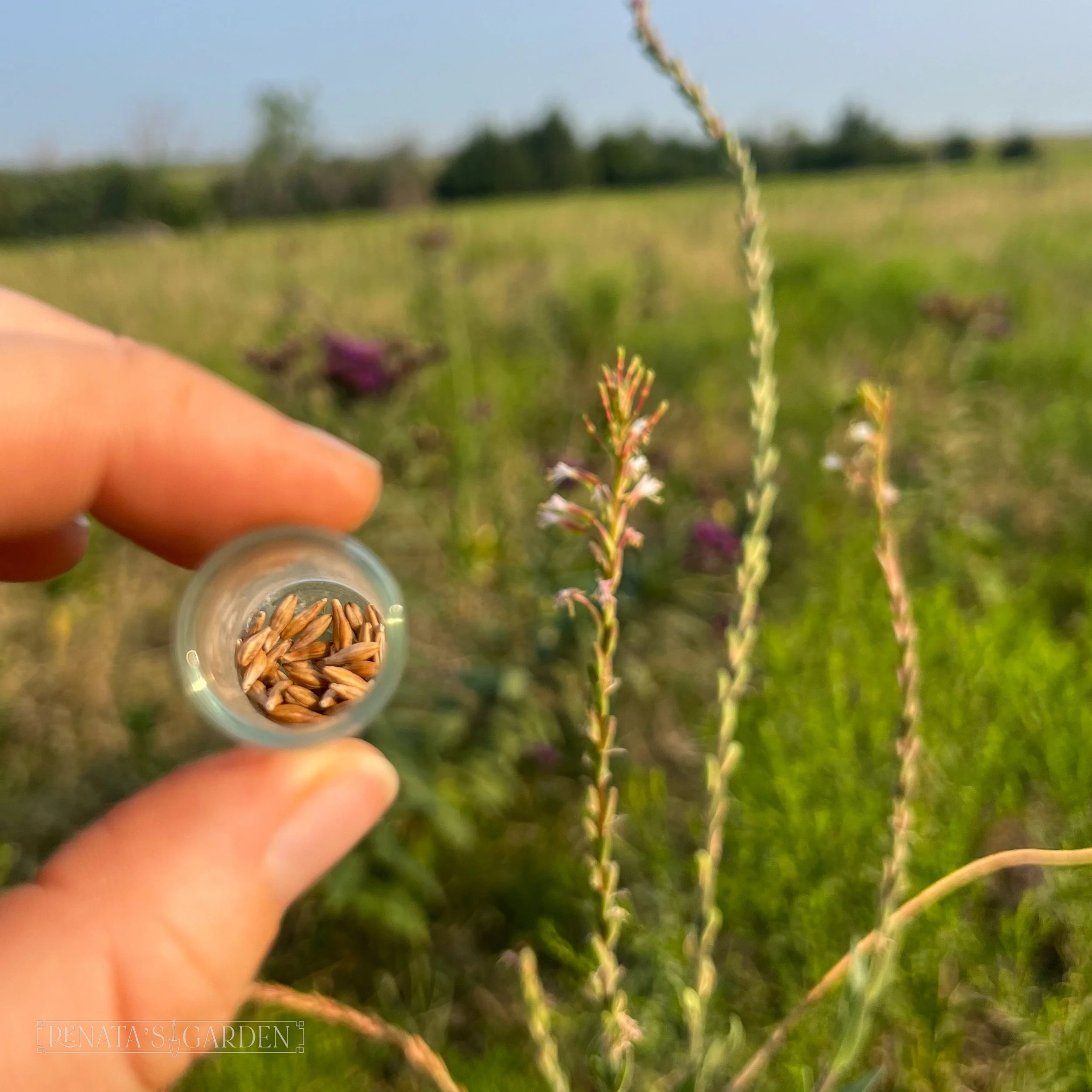
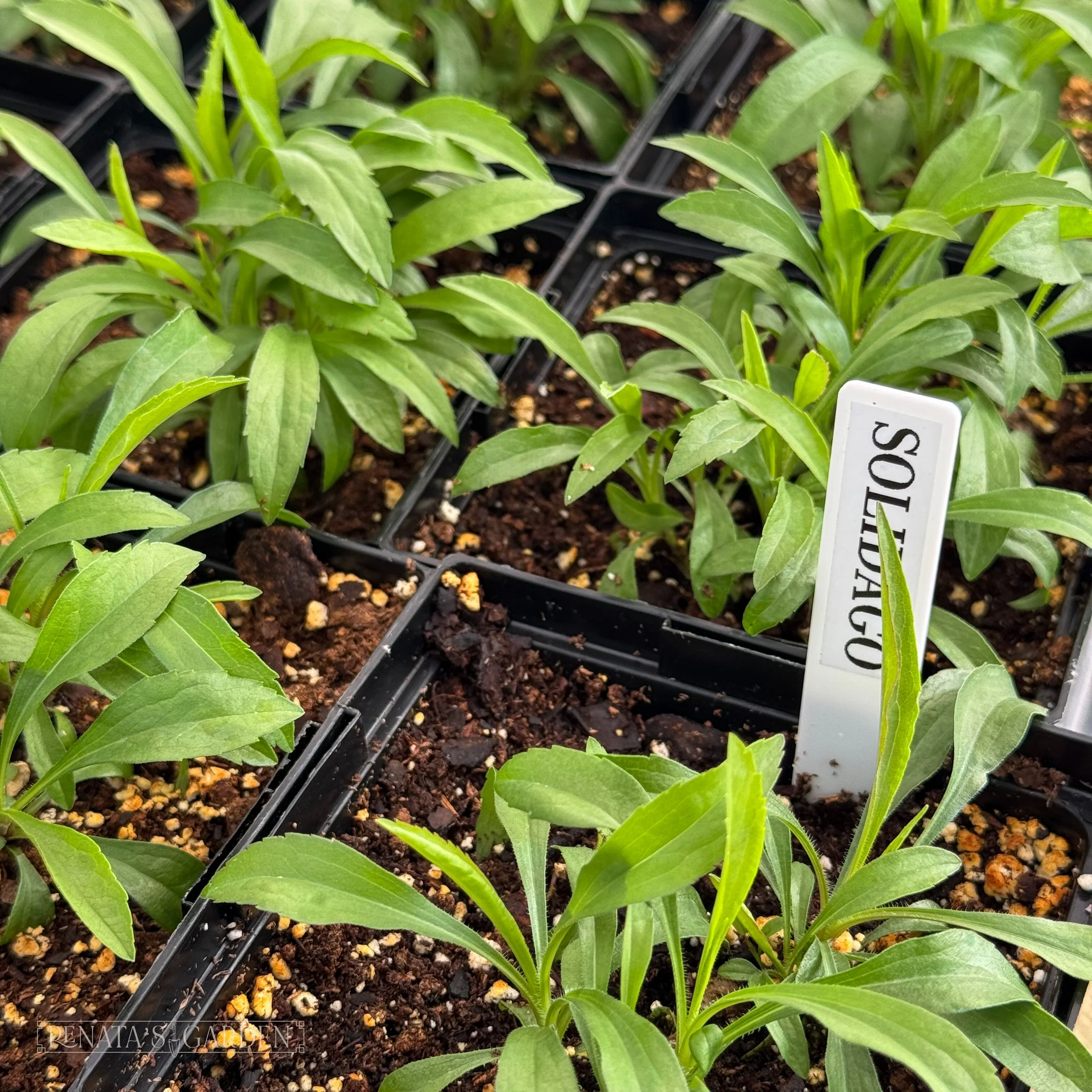
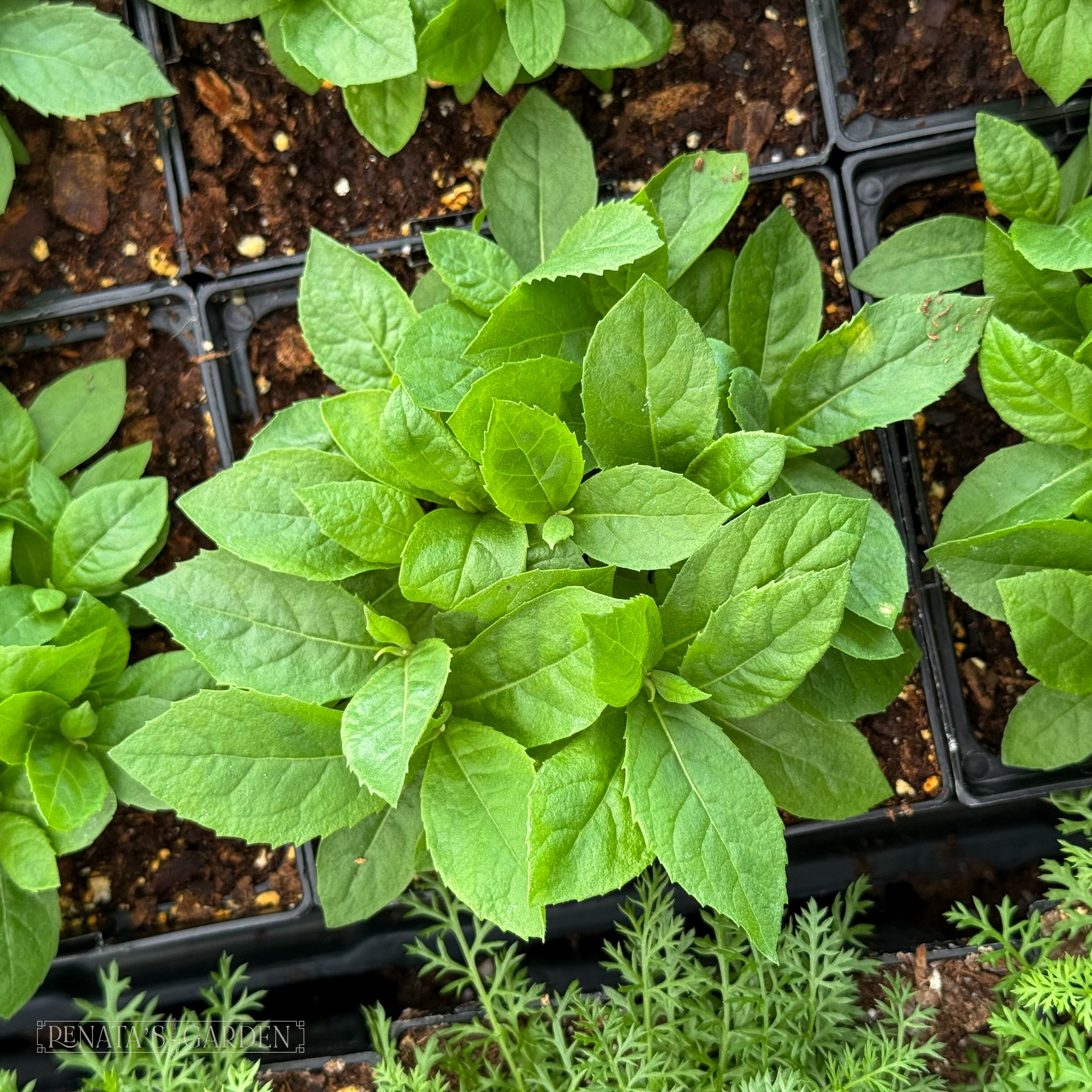
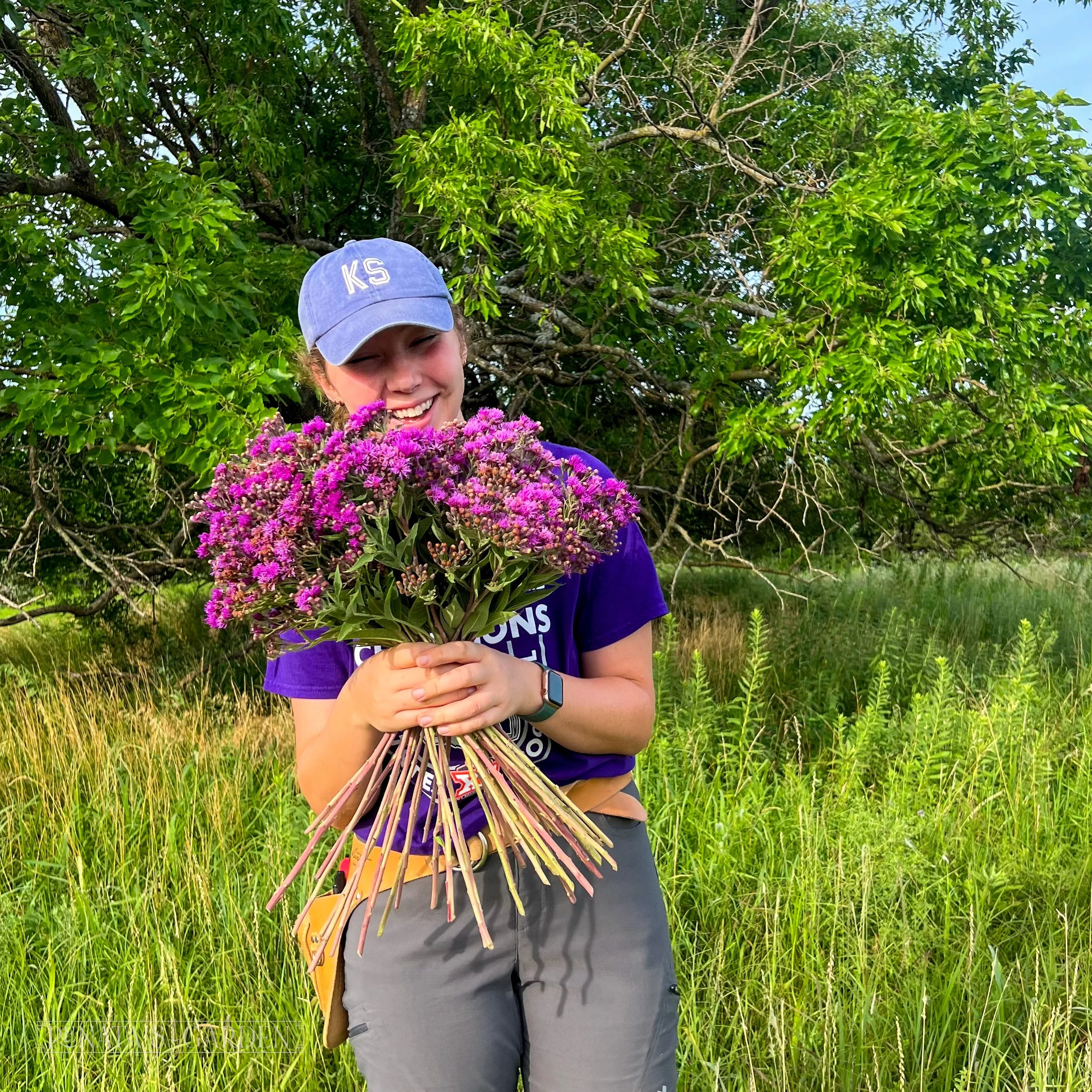
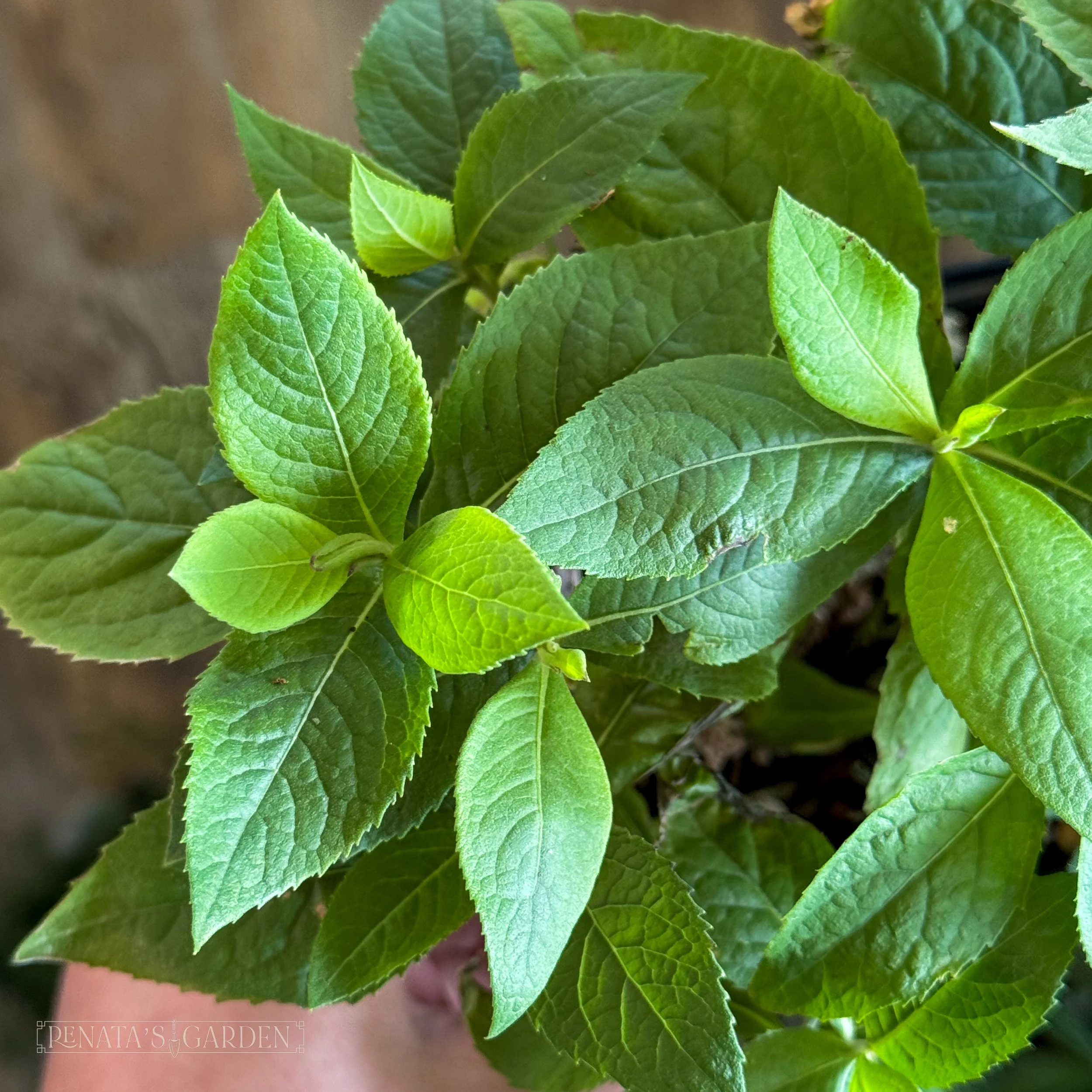
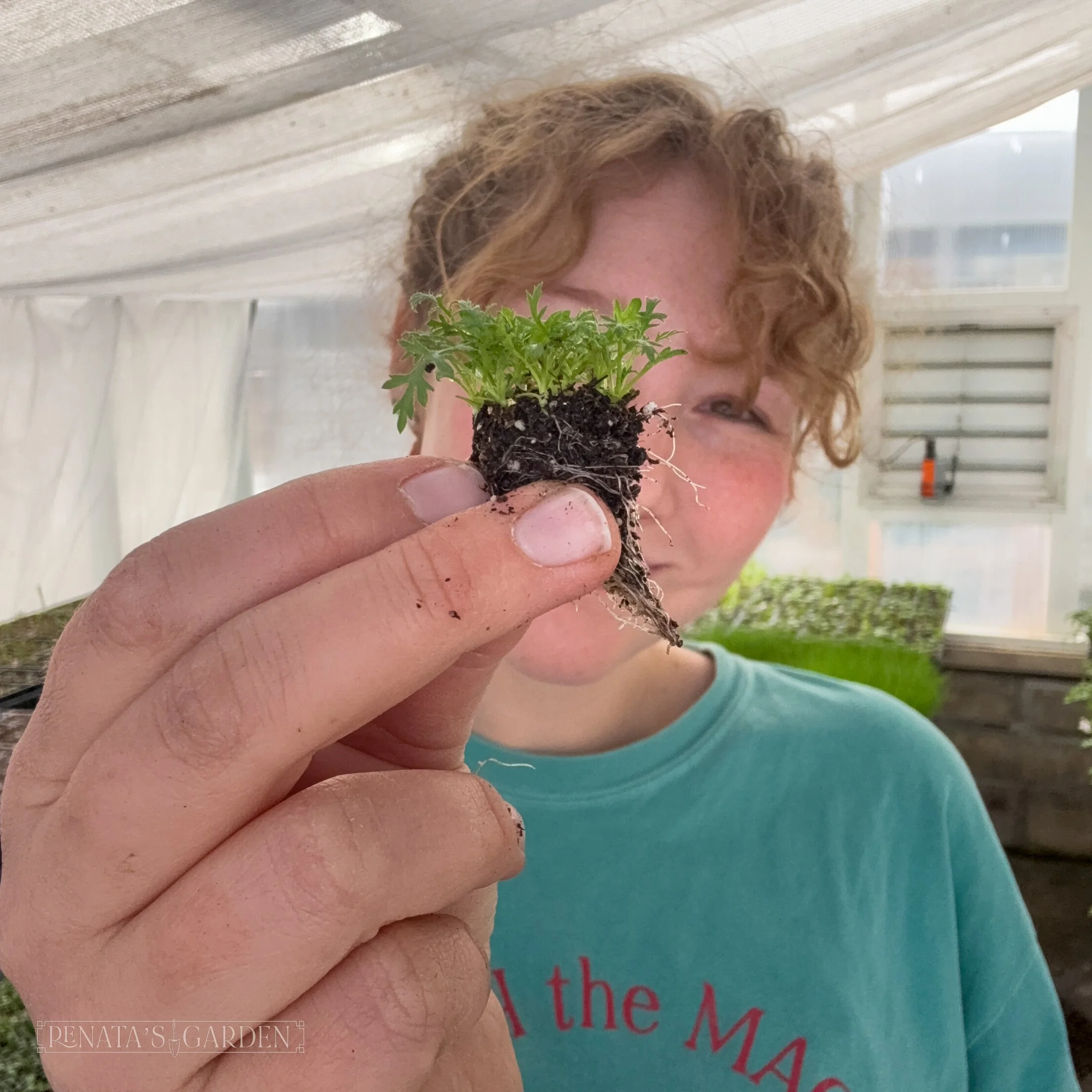
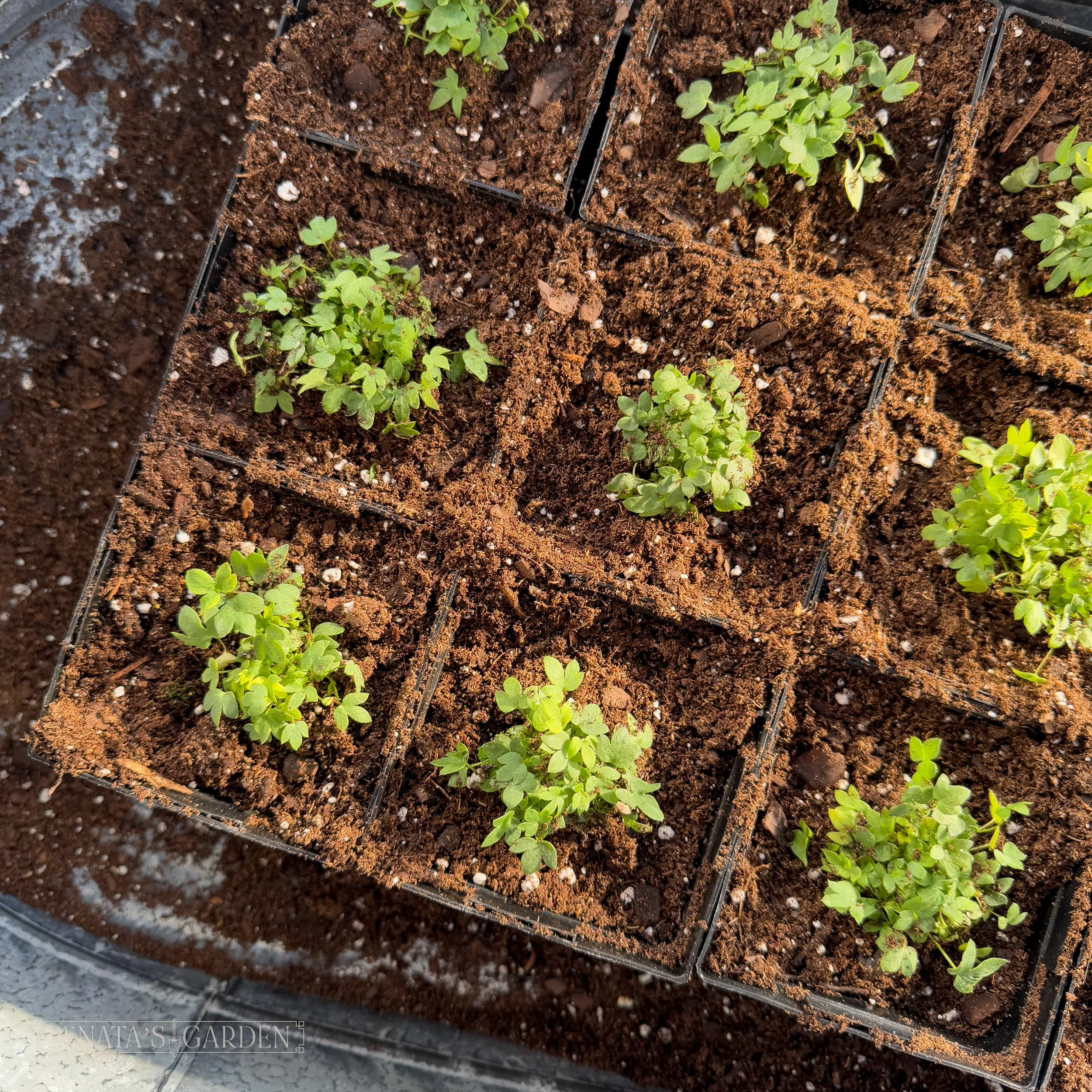
All of my perennial natives are sold in deep 6-packs, quarts or two quarts, depending on what I have deemed necessary for establishment success (based on my production and overwintering trials). Since I am gathering seeds directly from the Southern Flint Hills region of our prairie, my plants’ genetics are solid and can withstand the soil and climate of our native area.
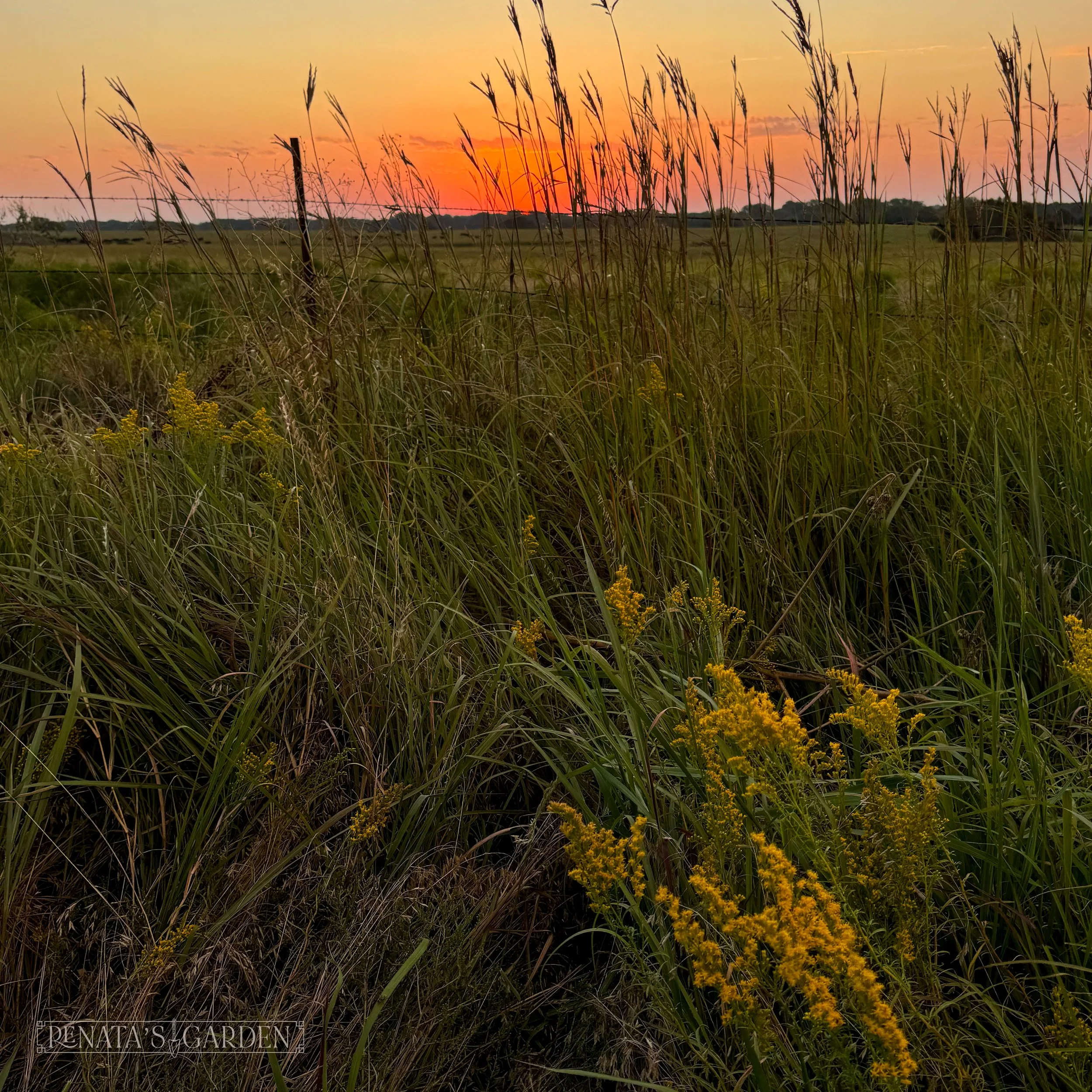
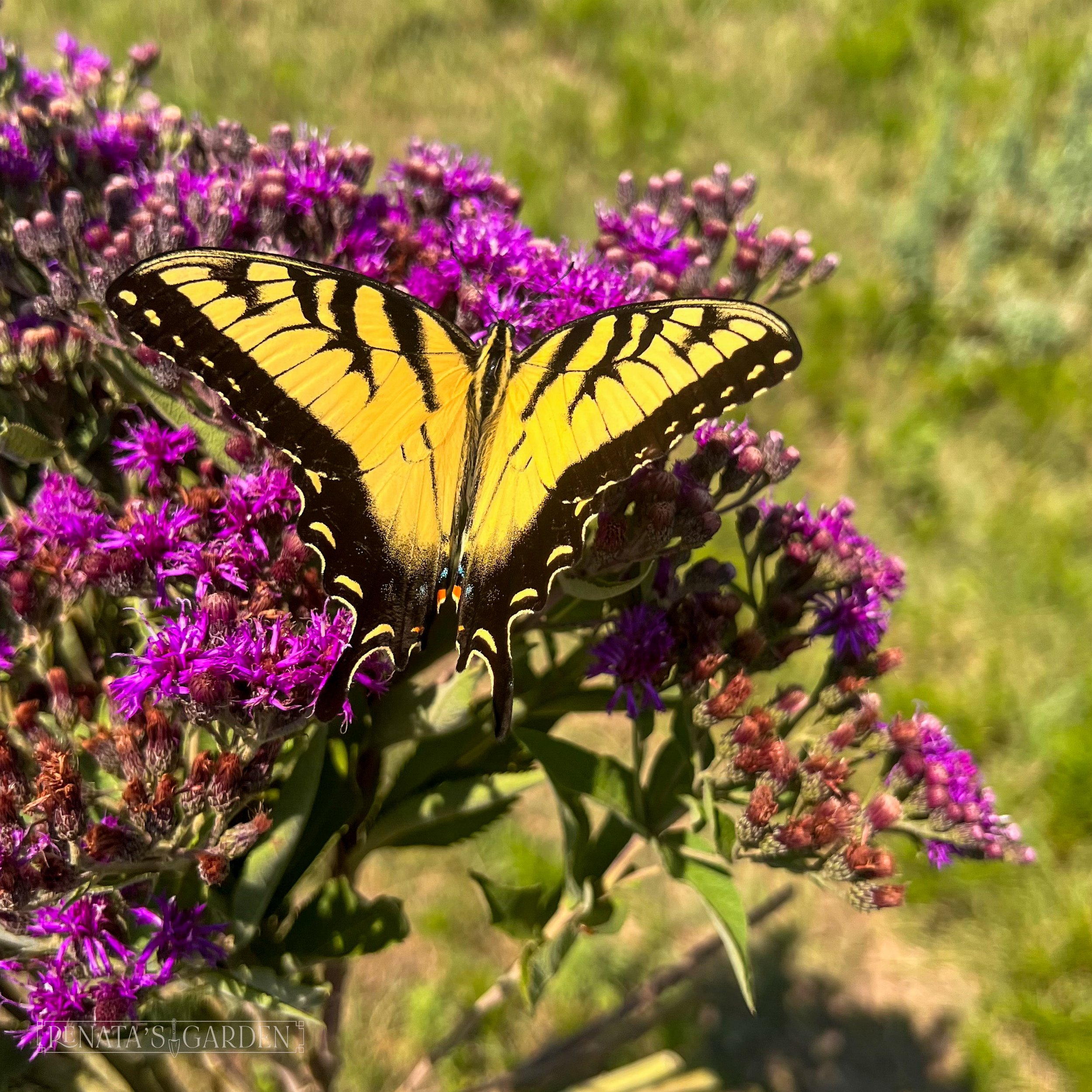
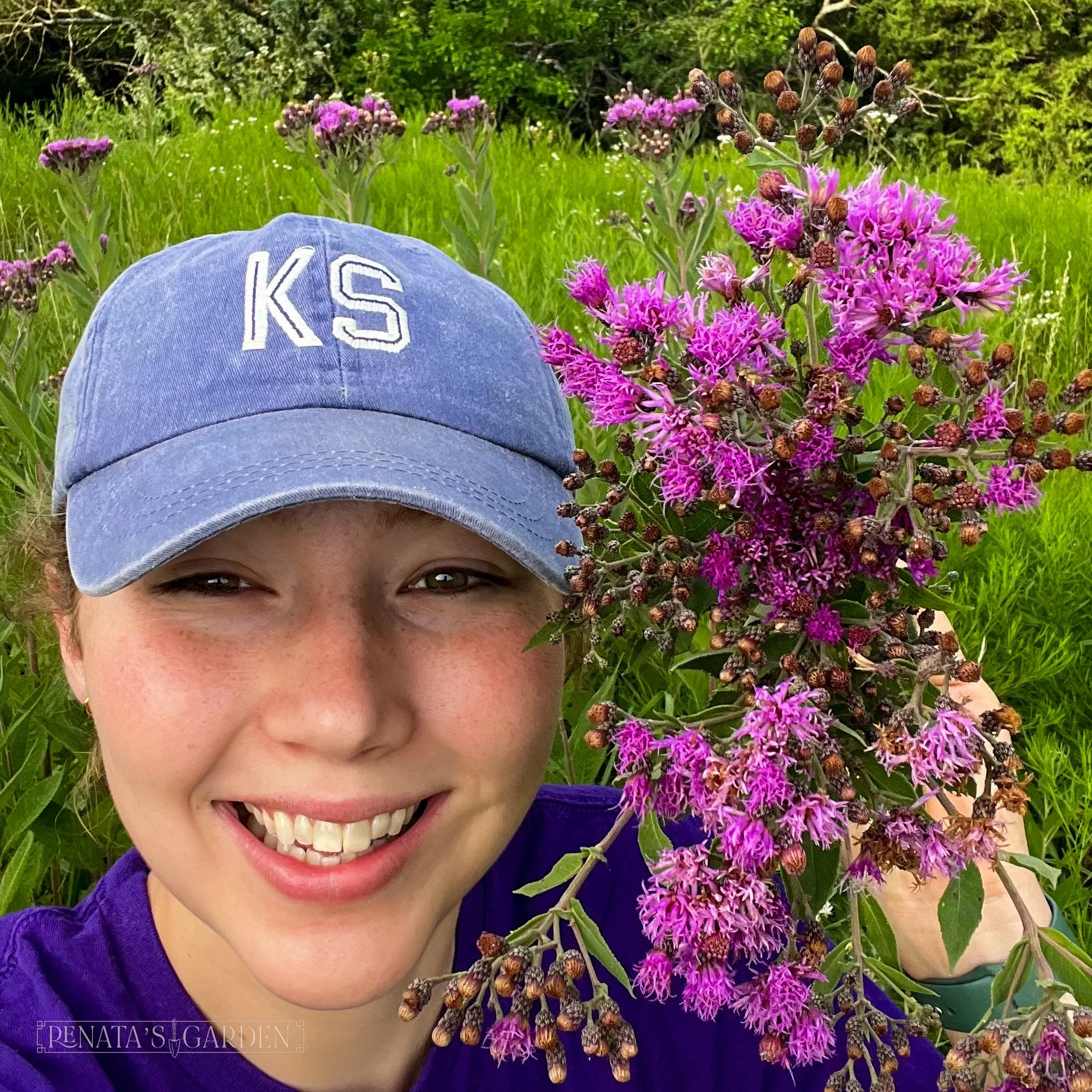
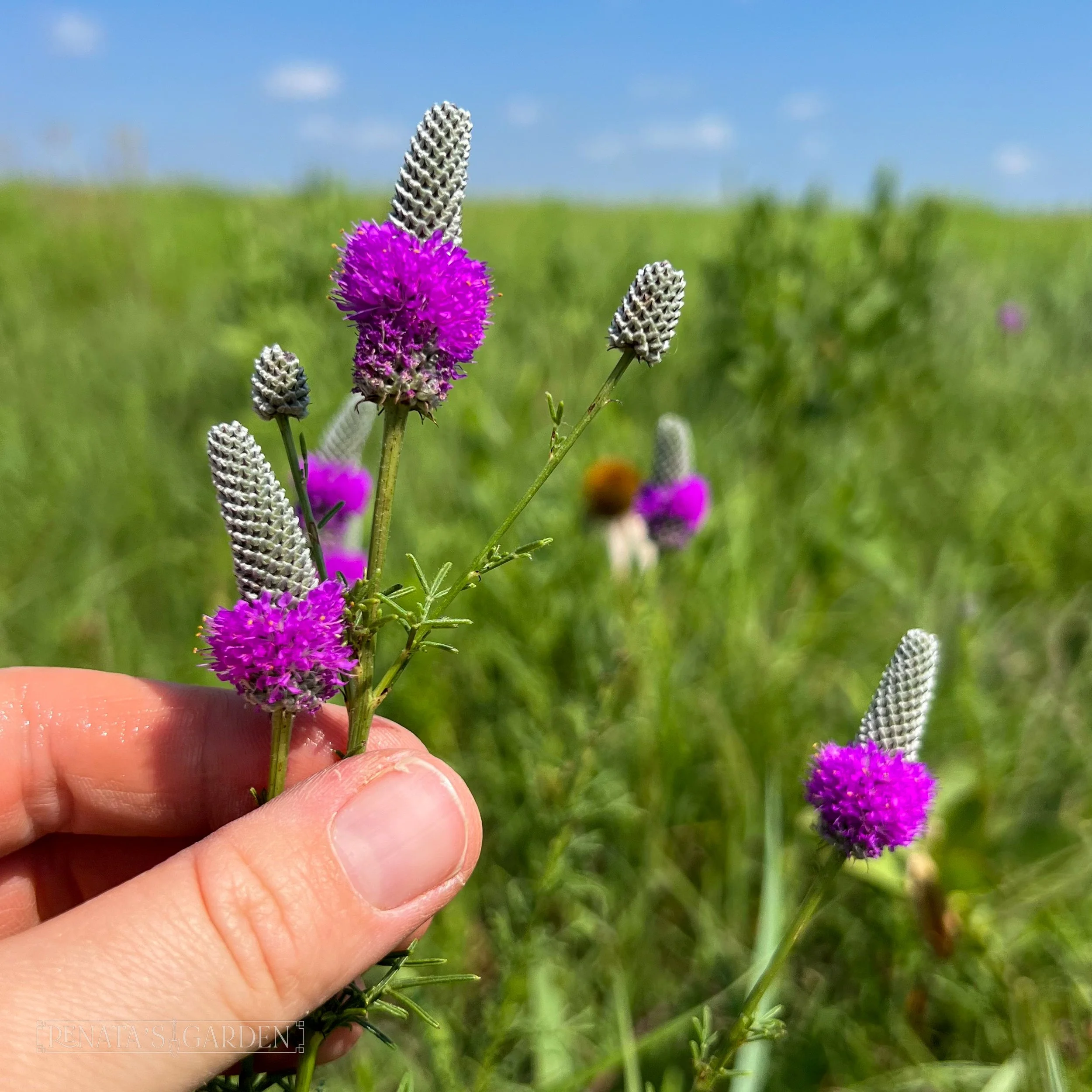
Regionally native plants also have the added benefit of being ideal pollinator plants. Many of our local birds and insects rely on these plants in a way that nursery-produced cultivars cannot be relied.
For best establishment, aim to plant after soil temperatures have warmed (May-July) or before our first average frost (September-October).
A Note on Native Gardening
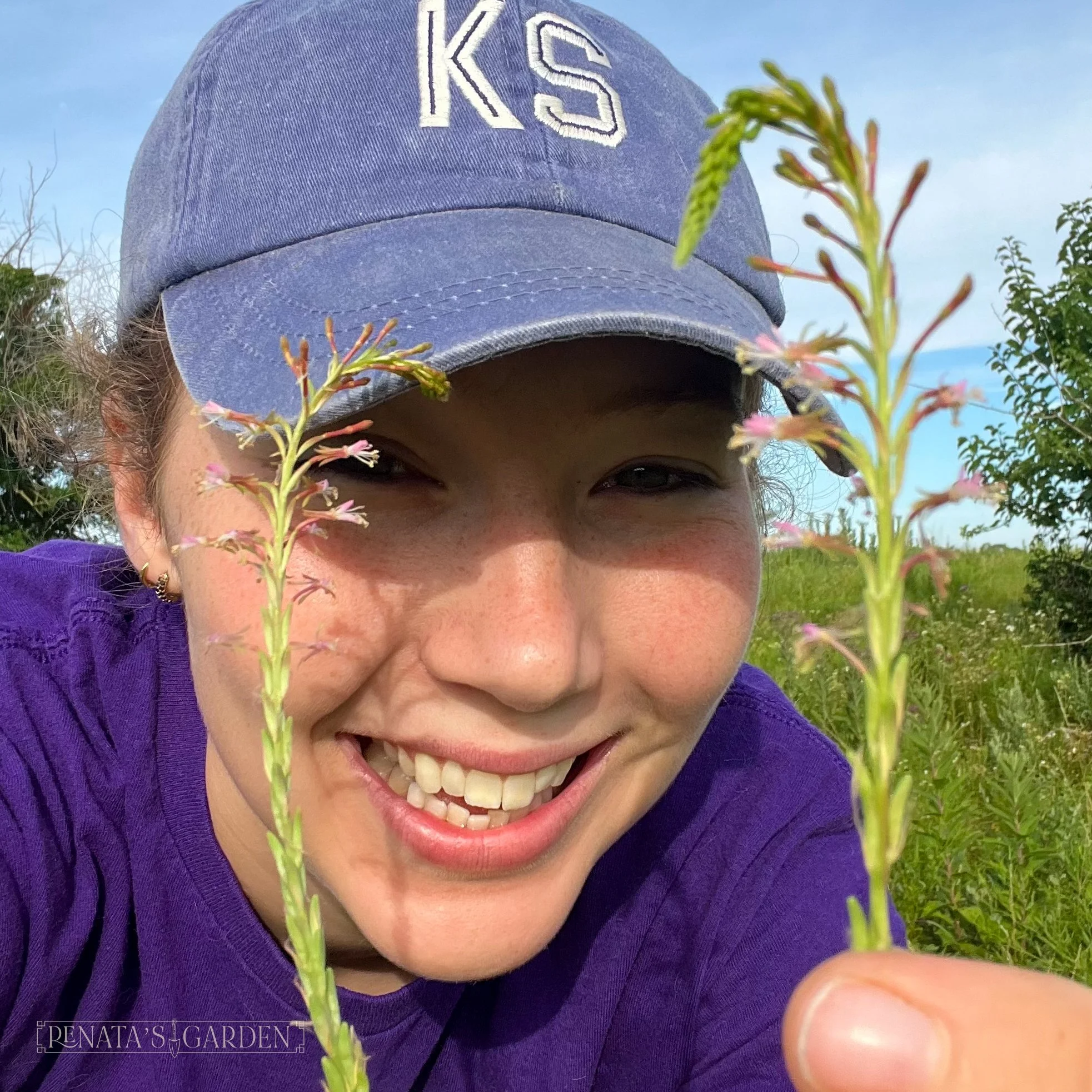
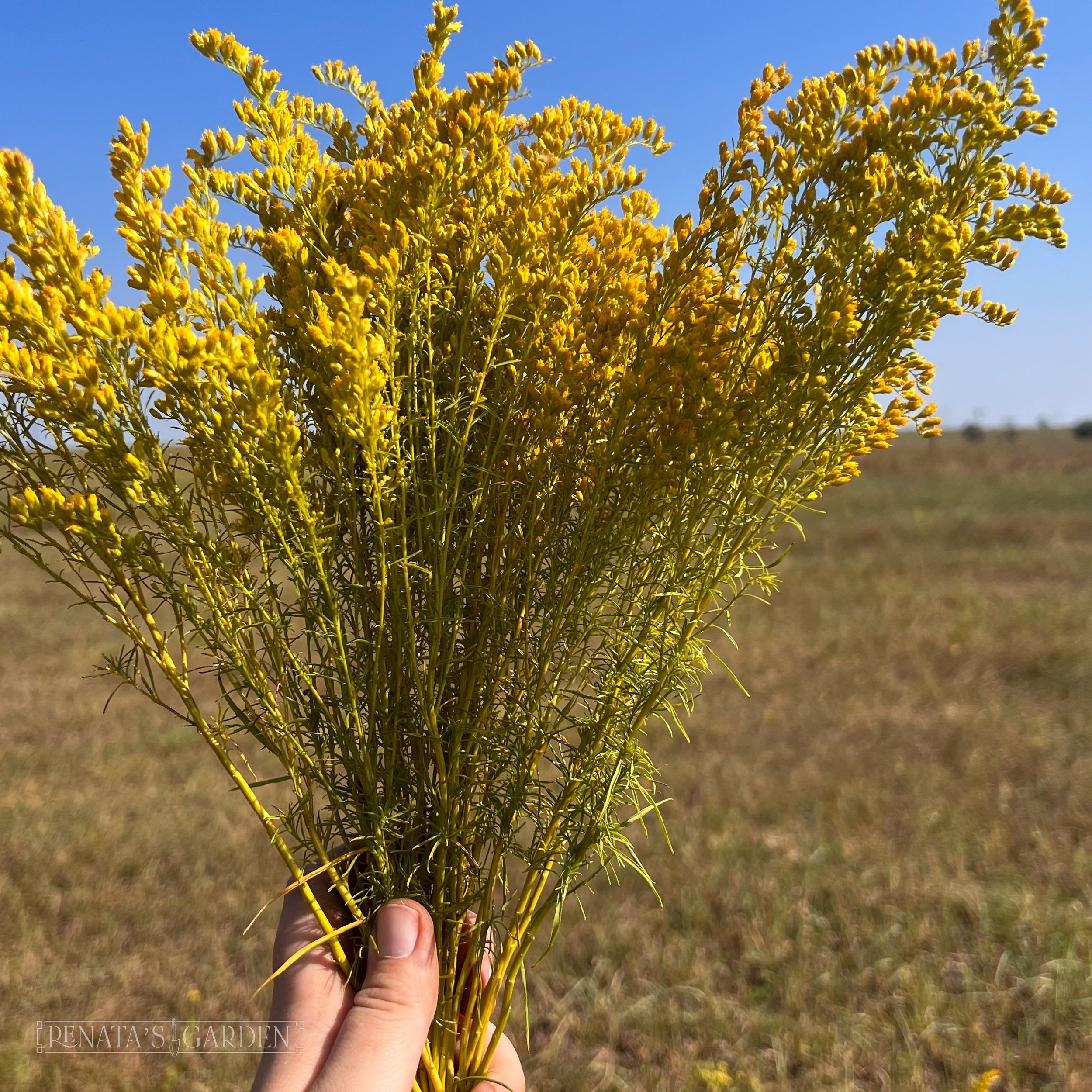
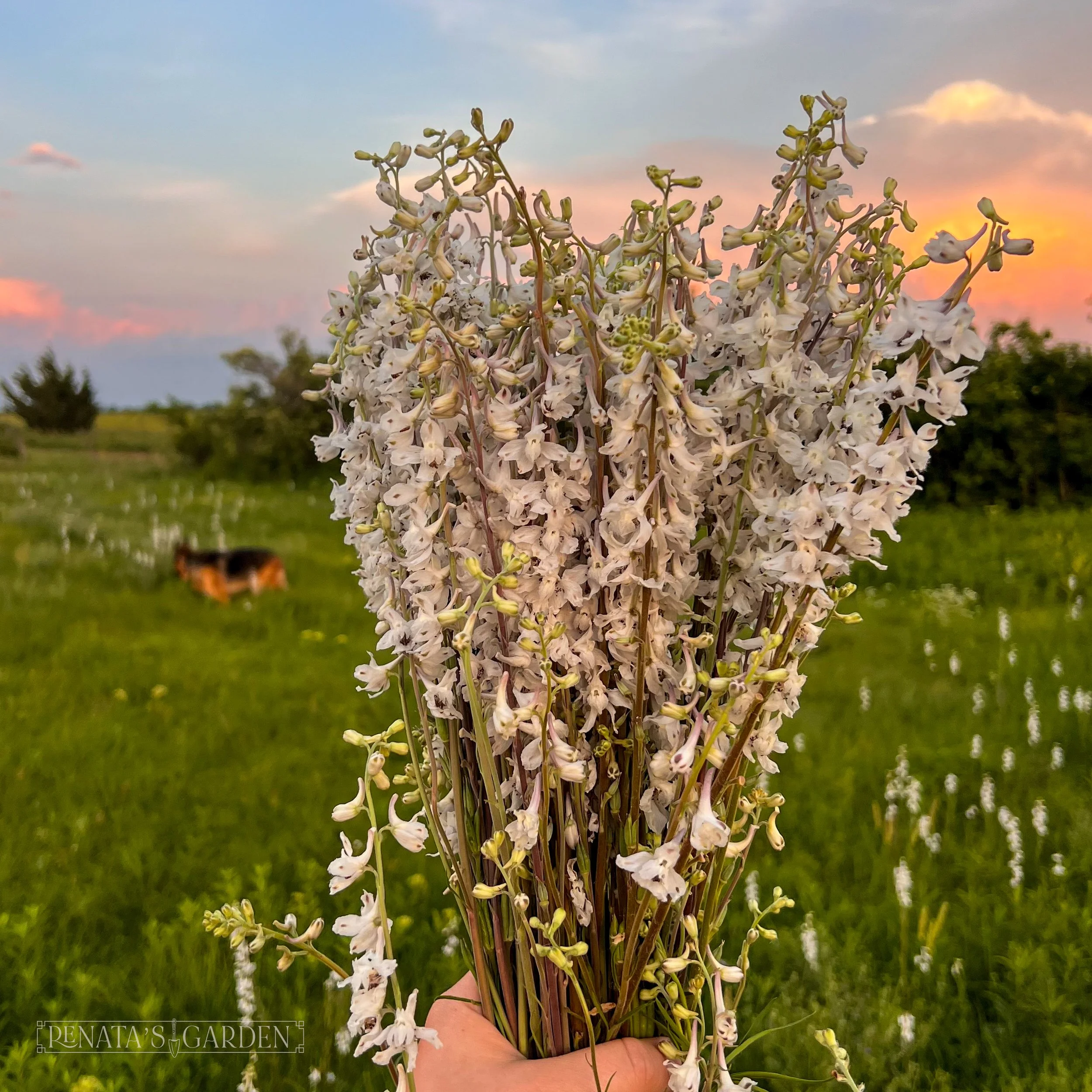
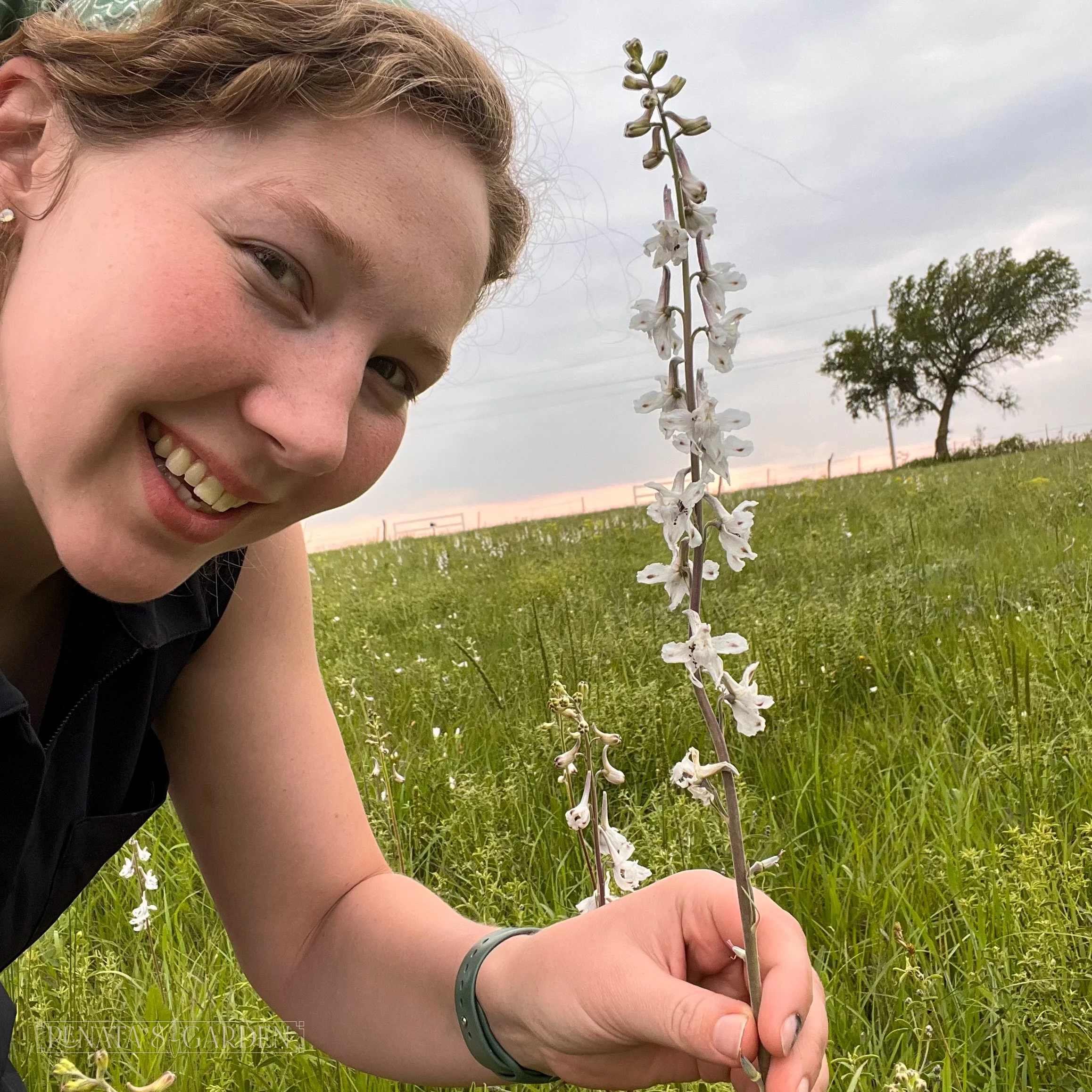
Natural landscaping is not manicured, but it can be beautiful! It most certainly is beneficial to our planet. The varieties of plants that I grow in my native program are wild, collected from my family’s 6th generation rangeland. That means that no breeder but nature has touched them.
I avoid producing naturalized species of plants, sticking to tried-and-true native plants that were here before we were. I also do not produce invasive species. To be classified as invasive, plants must be non-native and must be inhibiting the natural populations that already exist here in the midwest.
Native plants can still feel “weedy” to gardeners. While native prairies rely on natural weather patterns for maintenance, our native gardens rely on us for maintenance. Establishing multiple natives in a controlled space, and ensuring that one species does not overtake the others is the main task of the native gardener.